Glaucoma can appear uncontrolled when medications are not being used consistently or correctly. Complex treatment schedules, poor eye drop technique, treatment fatigue, and medication side effects may raise eye pressure and mimic disease progression. A glaucoma second opinion can identify these issues before surgery is considered.
Not every patient with glaucoma needs surgery immediately. In many cases, improving eye drop technique, simplifying medications with fixed-dose combinations, or considering SLT laser treatment can achieve good pressure control and delay or avoid surgery. This is when a Glaucoma Second Opinion can help, says Dr Shibal Bhartiya.
A Word of Caution: Avoiding glaucoma surgery is NOT always advisable. In certain cases, the surgery is the only option, and helps prevent blindness. You must discuss the risks and benefits of your treatment protocol in detail with your glaucoma doctor before coming to a decision.
She Was Told She Needed Surgery
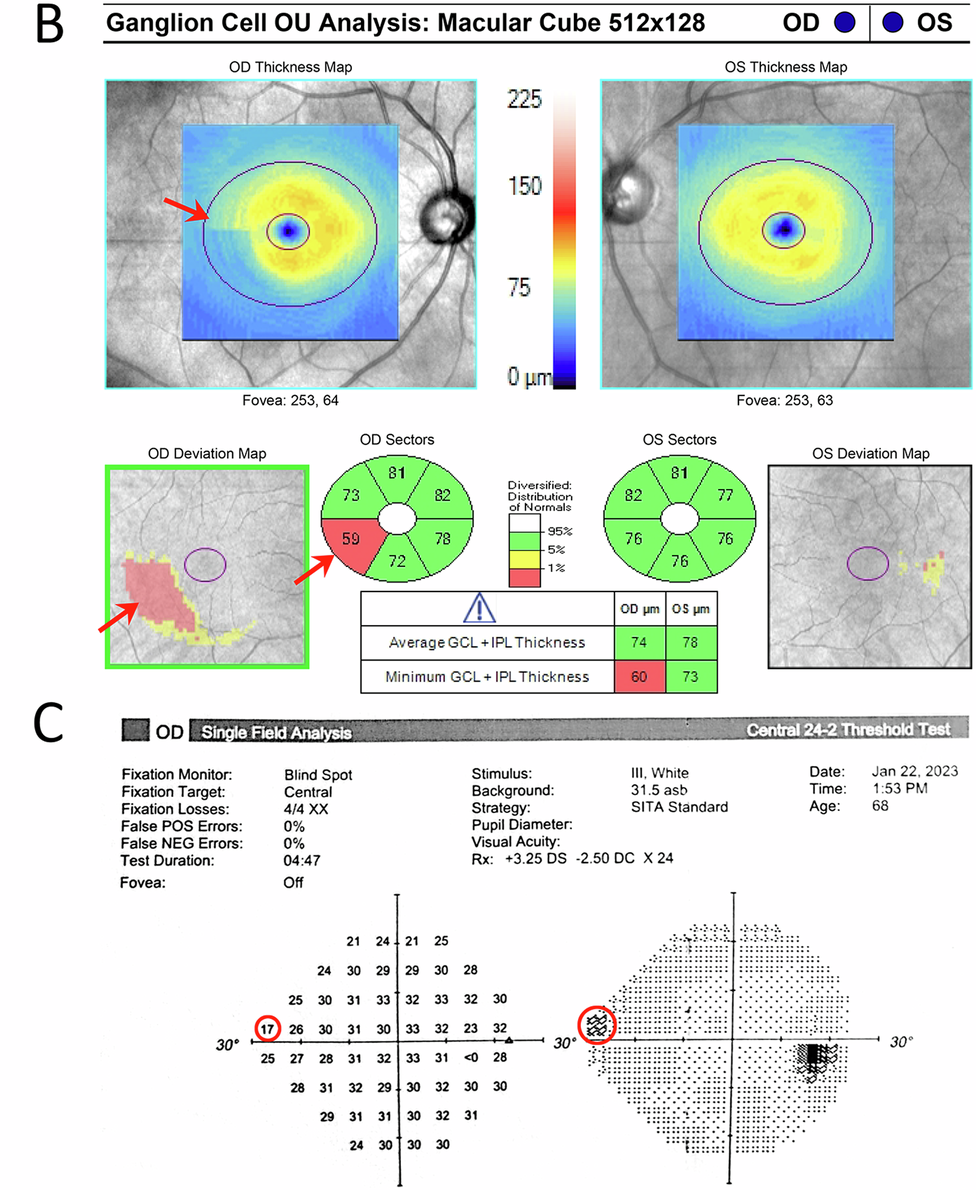
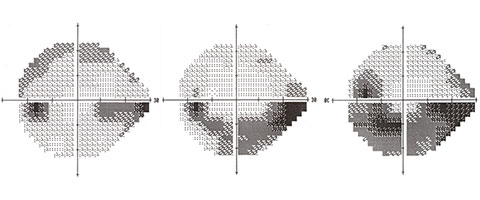
Anita, 63, had been living with glaucoma for nearly six years when she came to see me. At her previous appointment, surgery had been advised. Her eye pressure remained above target despite treatment, and recent visual field tests suggested possible progression. The changes were not dramatic, but they were concerning enough for surgery to enter the discussion.
She arrived carrying a large folder of records and four eye drop bottles.
As I reviewed her reports, I understood the concern. Her pressures were higher than ideal. A few visual field tests appeared slightly worse than earlier ones. Yet the optic nerve photographs showed only subtle change over time.
The clue had been present for months. I asked Anita to describe her treatment routine.
She was not avoiding treatment. She was trying very hard to follow it. The problem was that her regimen had gradually become more complicated. Four medications meant four separate bottles. Some needed morning doses. Others needed evening doses. During travel, one bottle might be forgotten. On busy days, she sometimes could not remember whether she had already used a drop.
Then I asked her to put in her medication. One drop landed on her cheek. Another missed the eye completely.
The glaucoma was real. The pressure problem was real. The possible progression was real.
But the patient was not failing treatment. The treatment plan was failing the patient. We simplified her regimen. Four separate medications became two fixed-dose combination bottles. We reviewed eye drop technique and built the schedule around her daily routine. Over the next three months, we achieved her target IOP, with the same medicines. Just in fewer bottles, and just because she learnt how to put them herself.
Over the last two years, her visual fields and RNFL OCT have been stable.
Patient details have been changed to protect privacy.
Here is What We Must Remember
Anita’s case highlights an important lesson. Not every patient with uncontrolled eye pressures needs glaucoma surgery. Sometimes the problem lies in how treatment is being delivered rather than the treatment itself. Glaucoma medications only work when they reach the eye consistently and correctly. Before treatment is escalated, it is important to understand whether the prescribed therapy is practical, tolerable, and sustainable. In this article, I explain why glaucoma treatment sometimes appears to fail and how a glaucoma second opinion can help.
Why Glaucoma Treatment Sometimes Appears To Fail
The goal of glaucoma treatment is simple. Lower eye pressure enough to prevent damage to the optic nerve. Achieving that goal is often more complicated.
Many patients begin treatment with a single eye drop. As glaucoma progresses, additional medications may be added. Over time, one bottle can become two, then three, then four. Each medication may have a different schedule.
For some patients, this becomes difficult to sustain.
In my practice, I commonly see patients who understand the importance of their medication but struggle with the practical realities of long-term treatment. Life gets busy. Travel happens. Schedules change. Even highly motivated patients miss doses.
Poor adherence does not always mean patients are careless. More often, it reflects treatment burden.
The clue had been present for almost a year in Anita’s case. Her pressure fluctuated more than expected. Her visual fields suggested borderline progression. Yet the optic nerve remained relatively stable. The pattern suggested that treatment effectiveness might be inconsistent.
When treatment appears to fail, specialists should ask several questions:
- Is the diagnosis correct?
- Is the target pressure appropriate?
- Is the medication reaching the eye?
- Is the patient able to follow the regimen?
- Are side effects reducing adherence?
The answers can significantly change management.
The Importance of Eye Drop Technique
Many patients have never been shown how to use an eye drop correctly.
Common mistakes include:
- Missing the eye completely
- Blinking immediately after instillation
- Using multiple drops at once
- Touching the bottle tip to the eye
- Administering medications too close together
Even small technique errors can reduce treatment effectiveness.
A simple demonstration often reveals problems that no scan or visual field test can detect.
Why Fixed-Dose Combinations Matter
Fixed-dose combinations combine two glaucoma medications into a single bottle.
Many patients assume these combinations are prescribed for convenience alone. In reality, they often improve treatment success.
A patient using four medications in four separate bottles may struggle with timing, scheduling, and adherence. The same medications delivered through two fixed-dose combinations can reduce confusion and simplify daily routines.
Fewer bottles often mean:
- Better adherence
- Less treatment fatigue
- Lower preservative exposure
- Greater long-term consistency
The most effective treatment is not always the strongest treatment. Often, it is the treatment a patient can realistically follow every day for years.
Could Laser Treatment Reduce the Need for Eye Drops?
For some patients, Selective Laser Trabeculoplasty (SLT) offers another way to lower eye pressure without adding more medications. SLT is a quick outpatient laser procedure that improves the eye’s natural drainage system. It does not cure glaucoma, but it can reduce eye pressure and, in some patients, decrease the number of medications needed.
This can be particularly helpful for patients who struggle with eye drop schedules, experience side effects from medications, or find long-term adherence difficult. While not every patient is a suitable candidate, SLT is increasingly being used earlier in the treatment pathway because it avoids many of the compliance challenges associated with daily eye drops. A glaucoma specialist can determine whether SLT is appropriate based on the type of glaucoma, eye pressure targets, and the overall risk of progression.
This is why a glaucoma second opinion should not focus only on surgery versus medications. For selected patients, laser treatment may offer an effective middle path.
How to Tell Glaucoma Progression From Treatment Problems
| Symptom | What It Suggests | What To Do |
|---|---|---|
| Rising eye pressure with stable optic nerve | Possible adherence issue | Review medication use and eye drop technique within weeks |
| Borderline visual field progression | Inconsistent treatment or early progression | Repeat visual field testing and specialist review |
| Multiple missed doses each week | Treatment burden | Simplify regimen and reassess pressure |
| Burning or redness from medication | Ocular surface toxicity | Review medications and ocular surface health |
| Difficulty managing several bottles | Compliance challenge | Consider fixed-dose combinations |
| Progressive optic nerve damage despite good adherence | True disease progression | Discuss laser or surgical options with a glaucoma specialist |
Why This Diagnosis Is So Often Missed
Doctors naturally focus on disease progression. Sometimes the treatment process receives less attention.
Eye pressure is easy to measure. Medication adherence is much harder to assess. Many patients feel embarrassed to admit they miss doses. Others genuinely believe they are using their medication correctly.
Busy clinics may not have time to observe eye drop technique. Treatment burden develops gradually. Patients adapt to it until the regimen becomes overwhelming.
Preservatives in glaucoma medications may also contribute to ocular surface disease. Redness, burning, and irritation can reduce adherence further.
When eye pressure rises, it is easy to assume the disease is worsening. Sometimes the medication is simply not reaching the eye consistently.
Recognising this distinction can prevent unnecessary treatment escalation.
When To See an Eye Specialist
You should seek specialist evaluation, or a second opinion, if:
- You have been advised glaucoma surgery and want a second opinion
- Eye pressure remains above target despite multiple medications
- Your visual field tests show possible progression
- You struggle to remember or administer your eye drops
- Your eyes burn, sting, or remain red after glaucoma treatment
- You have been told everything is stable but symptoms continue
📍 Gurgaon 📞 +91 88826 38735 | 🌐 Contact Us | Second Opinion Form for teleconsults
Frequently Asked Questions
Can poor eye drop technique make glaucoma appear worse?
Yes. If medication does not reach the eye consistently, eye pressure may remain elevated. This can create the impression that treatment is failing even when the prescription itself is appropriate.
Why might a glaucoma specialist recommend a second opinion before surgery?
A second opinion helps confirm whether glaucoma is truly progressing. It also evaluates medication adherence, eye drop technique, treatment burden, and medication tolerance before irreversible procedures are considered.
How do fixed-dose combination eye drops help glaucoma patients?
Fixed-dose combinations reduce the number of bottles and simplify treatment schedules. This often improves adherence and helps patients maintain more consistent pressure control over time.
Should glaucoma surgery be delayed if treatment adherence is poor?
Not always. Some patients genuinely require surgery. However, adherence problems, poor eye drop technique, and unnecessarily complex regimens should be identified and addressed before concluding that surgery is the only option.
Book a Consultation
Consider a consultation if you have been advised glaucoma surgery, if your eye pressure remains uncontrolled, or if your visual field tests show possible progression despite treatment. The L.I.F.T.S.™ Framework, devised by Dr Shibal Bhartiya, provides a comprehensive, evidence-based evaluation to guide personalised glaucoma care and lifelong vision preservation.
At my clinic in Gurgaon, a glaucoma consultation includes assessment of optic nerve health, visual field results, pressure trends, medication tolerance, and practical evaluation of how glaucoma medications are being used. Please also read Avoid Glaucoma Surgery, Indications for Glaucoma Surgery, Myths About Eye Pressure, Glaucoma Surgery in Gurgaon, and Glaucoma Visual Symptoms in Real Life.
Book an Appointment →
📍 Gurgaon 📞 +91 88826 38735 | 🌐 Contact Us | Second Opinion Form for teleconsults
This page is a part of the Glaucoma Hub. you may want to read about Glaucoma Progression, and Risk Stratification in Glaucoma. Other articles of interest could be Advanced Glaucoma Care in Gurgaon, What Good Glaucoma Care Actually Optimises For, What Happens If Glaucoma Is Left Untreated?, More Glaucoma Eye Drops is Not Better Glaucoma Care, 5 Mistakes Patients Make in Glaucoma Care and Do You Really Need Treatment for Glaucoma?
You may also want to read Glaucoma Second Opinion — Gurgaon, Online Glaucoma Consultation and Second Opinion Before Eye Surgery.
About the Author
This article was written by Dr Shibal Bhartiya, fellowship-trained glaucoma specialist and Mayo Clinic Research Collaborator, Clinical Director at Marengo Asia Hospitals, Gurugram, known for ethical, patient-centred glaucoma care and independent glaucoma second opinions. She is also the Program Director for Community Outreach & Wellness; and for the Marengo Asia International Institute of Neuro and Spine.
She has published peer-reviewed research onglaucoma management, examining how treatment decisions should balance medical evidence, patient preferences, and long-term vision outcomes.
As Editor-in-Chief of Clinical and Experimental Vision and Eye Research and Executive Editor of the Journal of Current Glaucoma Practice (Pubmed Indexed, official journal of the International Society of Glaucoma Surgery), Dr Shibal Bhartiya brings editorial and research depth to every clinical decision. Her 200+ publications, including 90+ PubMed-indexed publications and 28 edited textbooks span glaucoma biology, surgical outcomes, health equity, and emerging diagnostics.
1600+ Five Star Patient Reviews Google Business Profile
If you are unable to come to Dr Bhartiya’s clinic: Read more about teleconsultation
Read her research on PubMed | Google Scholar | ResearchGate | ORCID | Github | Wikidata
📋Upload your reports for a structured review.| 🌐 Contact Us| 📞 +91 88826 38735
⭐ Helped by this article? Leave a Google review — it helps other patients find reliable eye care.