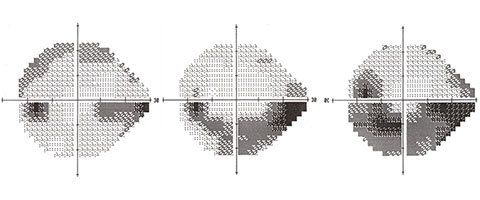
Glaucoma may progress despite treatment if eye pressure is not low enough for that individual eye.
Other factors like poor blood flow, missed doses, or late-stage disease can also contribute to ongoing damage.
Here is what you need to understand about why glaucoma may progress despite treatment. One of the most worrying things a patient with glaucoma can hear during a follow-up visit is this:
“Your glaucoma appears to be progressing.”
The immediate reaction is often confusion. Many patients say something like: “But I’ve been using my eye drops regularly. How can my glaucoma still be getting worse?”
This situation, glaucoma progression despite treatment, is more common than people realise. It does not necessarily mean that treatment has failed. Instead, it reflects the complex nature of a disease that develops slowly and often silently over many years.
Understanding why this happens can help patients approach glaucoma care with clearer expectations and better long-term planning, explains Dr Bhartiya.
Dr Shibal Bhartiya is a fellowship-trained glaucoma specialist and Mayo Clinic Research Collaborator with over 25 years of experience. Her approach focuses on identifying risk before damage is irreversible, simplifying treatment decisions, and protecting vision long-term. Emphasis on early detection, risk assessment, and continuity of care. She is rated 5 stars across 1,500+ patient reviews on Google.
Glaucoma Is a Lifelong Disease
Glaucoma affects the optic nerve, the structure that carries visual information from the eye to the brain.
Unfortunately, damage to the optic nerve cannot be reversed. The goal of treatment is therefore not to restore lost vision, but to slow down further damage as much as possible.
Because glaucoma usually progresses slowly, often over decades, successful treatment means preserving useful vision for the rest of a person’s life.
This long-term perspective is important when thinking about glaucoma progression despite treatment.
Eye Pressure Is Important: But Its Not the Whole Story
Most glaucoma treatments focus on lowering intraocular pressure (IOP). Reducing eye pressure remains the most effective way we currently have to slow optic nerve damage.
However, some patients experience glaucoma worsening despite apparently well-controlled eye pressure.
There are several possible reasons for this:
• the optic nerve may be unusually sensitive to pressure
• pressure may fluctuate during times when it is not measured
• the eye may require a lower “target pressure” than initially expected
• other factors, such as blood supply to the optic nerve, may influence vulnerability
In other words, a pressure level that appears acceptable for one patient may still be too high for another. Also, for the same patient, the pressure that seemed appropriate at diagnosis, may change over follow up.
Glaucoma Progression Often Becomes Visible Only in Retrospect
Glaucoma damage usually develops very slowly and silently.
In the early stages, most patients notice no symptoms at all. Vision often remains clear, and everyday activities feel unchanged.
Because of this, glaucoma progression often becomes apparent only when tests are compared over several years.
Doctors typically look for long-term patterns in:
• visual field tests
• OCT scans of the optic nerve
• clinical examination of the optic nerve head
• eye pressure trends over time
A single test result rarely tells the whole story. Instead, progression becomes clearer when small changes accumulate across multiple visits.
Why Glaucoma Tests Sometimes Seem Confusing
Modern glaucoma care relies on several diagnostic tests, but each test has its limitations.
For example:
• visual field tests depend on patient responses and can vary between visits
• OCT scans may be influenced by imaging artefacts or anatomical variation
• eye pressure measurements capture only a single moment in time
Because of this, glaucoma management requires interpreting patterns across time, rather than reacting to a single measurement or test result.
When Treatment Needs to Be Adjusted
If glaucoma progression is detected, the treatment plan may need to be modified.
Possible options include:
• adjusting current medications
• adding additional eye drops
• laser procedures
• surgery in selected cases
The aim is always the same: to reduce the risk of further optic nerve damage while maintaining quality of life.
It is also important to recognise that more treatment is not always automatically better. Each decision needs to balance effectiveness, side effects, and long-term sustainability.
Why Regular Follow-Up Is Essential
One of the biggest risks in glaucoma care is drift in follow-up.
Because the disease often causes no early symptoms, patients sometimes postpone visits when they feel well. Unfortunately, important changes may occur silently during these gaps.
Regular monitoring allows doctors to:
• detect early signs of glaucoma progression
• reassess the appropriate target pressure
• adjust treatment before significant vision loss occurs
Please also read Why Follow-Up Matters Even When Glaucoma Feels Stable.
When a Second Opinion May Be Helpful
Glaucoma management often involves long-term decisions under uncertainty.
In certain situations, patients may benefit from an independent evaluation, particularly when glaucoma appears to be progressing despite treatment, when surgery is being considered, or when test results seem difficult to interpret.
A careful review of past records, scans, and visual fields can sometimes clarify whether the disease is truly progressing and whether the current strategy remains appropriate.
Book an appointment
📍 Gurgaon 📞 +91 88826 38735 | 🌐 Contact Us | Second Opinion Form for teleconsults
The Key Message
Glaucoma may progress despite treatment. This fact can be unsettling, but it does not necessarily mean that care has failed. Or that you are going blind. It only means that your doctor needs to revise treatment and follow up protocols for long term vision protection.
Glaucoma is a long-term condition that requires ongoing monitoring, thoughtful adjustments in treatment, and a focus on protecting vision over decades.
The most effective glaucoma care usually involves:
• early detection
• careful risk assessment
• consistent follow-up
• timely adjustment of treatment when needed
There is no denying the fact that glaucoma may progress despite treatment. However, with attentive long-term management, many people with glaucoma are able to maintain useful vision throughout their lives.
You can discuss your glaucoma management and long term risk stratification with your glaucoma specialist, or with me. I am happiest to review your reports in person, or online.
FAQs: Why Glaucoma May Progress Despite Treatment
Can glaucoma worsen even if I’m using my drops regularly?
Yes, if the target eye pressure is still not low enough for your optic nerve, progression can continue despite regular use.
Does normal eye pressure mean my glaucoma is stable?
Not always, some eyes continue to worsen even at “normal” pressures, especially in normal-tension glaucoma.
What are the common reasons for progression despite treatment?
Inadequate pressure reduction, inconsistent drop use, poor drop technique, fluctuating pressures, and reduced blood flow.
Can glaucoma progress without symptoms?
Yes, most progression is silent and only detected through tests like visual fields and OCT.
Do I need stronger treatment if my glaucoma is progressing?
Often yes, this may include adding drops, laser, or surgery to lower pressure further.
How do I know if my treatment is working?
Regular follow-up with pressure checks, optic nerve evaluation, and visual field testing is essential.
Does missing drops occasionally really matter?
Yes, even small inconsistencies can lead to pressure fluctuations and long-term damage.
Can lifestyle or systemic health affect glaucoma progression?
Yes, blood pressure issues, sleep apnea, stress, and vascular health can influence disease stability.
Is progression more common in advanced glaucoma?
Yes, advanced eyes have less reserve, so even small changes can lead to noticeable worsening.
What should I do if I’m worried about progression?
Seek a detailed review of your target pressure, compliance, and risk factors, and consider a second opinion if needed.
This page is a part of the Glaucoma Hub. you may want to read about Glaucoma Progression, and Risk Stratification in Glaucoma. You may want to read more about OCT and Visual Field, Glaucoma Tests Explained, Normal OCT but Vision Symptoms and How to Understand Your OCT Better. Also of help could be Why Do I Need a Visual Field Test? Glaucoma Diagnosis in Gurgaon, Get a Glaucoma Second Opinion in Gurgaon and Get an Online Glaucoma Consult.
This article is part of a series of articles on Using Eyedrops, which aim to help you use your eye drops as required. You may want to read How to remember your glaucoma medication, Tips and tricks on how to use your eye drops, Whether refrigerating eye drops helps, How to manage side effects of glaucoma drops, Why my dry eye drops are not working, How to reduce glaucoma drops, Glaucoma drops not working, Does stinging mean my eye drops are working, and Glaucoma progressing despite eye drops.
Learn how to put eye drops here.
About the Author
This article was written by Dr Shibal Bhartiya, fellowship-trained glaucoma specialist and Mayo Clinic Research Collaborator, Clinical Director at Marengo Asia Hospitals, Gurugram, known for ethical, patient-centred glaucoma care and independent glaucoma second opinions. She is also the Program Director for Community Outreach & Wellness; and for the Marengo Asia International Institute of Neuro and Spine.
She has published peer-reviewed research on glaucoma management, examining how treatment decisions should balance medical evidence, patient preferences, and long-term vision outcomes.
As Editor-in-Chief of Clinical and Experimental Vision and Eye Research and Executive Editor of the Journal of Current Glaucoma Practice (Pubmed Indexed, official journal of the International Society of Glaucoma Surgery), Dr Shibal Bhartiya brings editorial and research depth to every clinical decision. Her 200+ publications, including 90+ PubMed-indexed publications and 28 edited textbooks span glaucoma biology, surgical outcomes, health equity, and emerging diagnostics.
1600+ Five Star Patient Reviews Google Business Profile
If you are unable to come to Dr Bhartiya’s clinic: Read more about teleconsultation
Read her research on PubMed | Google Scholar | ResearchGate | ORCID
📋Upload your reports for a structured review.| 🌐 Contact Us| 📞 +91 88826 38735
⭐ Helped by this article? Leave a Google review — it helps other patients find reliable eye care.