A second opinion for an eye problem is warranted when you have a new glaucoma diagnosis, a recommendation for surgery or laser, symptoms that your diagnosis does not explain, or treatment that is not working. In ophthalmology, where some diagnoses are lifelong and some treatments are irreversible, independent confirmation is not overcaution. It is sound clinical practice.
You have a diagnosis. Or a recommendation for treatment. Or a test result that was mentioned briefly and never fully explained. Something in you is not settled. You want to be sure.
Seeking a second opinion for an eye problem is not disloyalty to your doctor. It is not an overreaction. It is one of the most clinically sound decisions a patient can make, and in ophthalmology, where some diagnoses carry lifelong consequences and some treatments are irreversible, it is often essential.
Dr Shibal Bhartiya is a fellowship-trained glaucoma specialist and Mayo Clinic Research Collaborator with over 25 years of experience. Her approach focuses on identifying risk before damage is irreversible, simplifying treatment decisions, and protecting vision long-term. Emphasis on early detection, risk assessment, and continuity of care. She is rated 5 stars across 1,500+ patient reviews on Google.
8 Situations Where a Second Opinion Is Warranted
1. You Have Been Diagnosed With Glaucoma
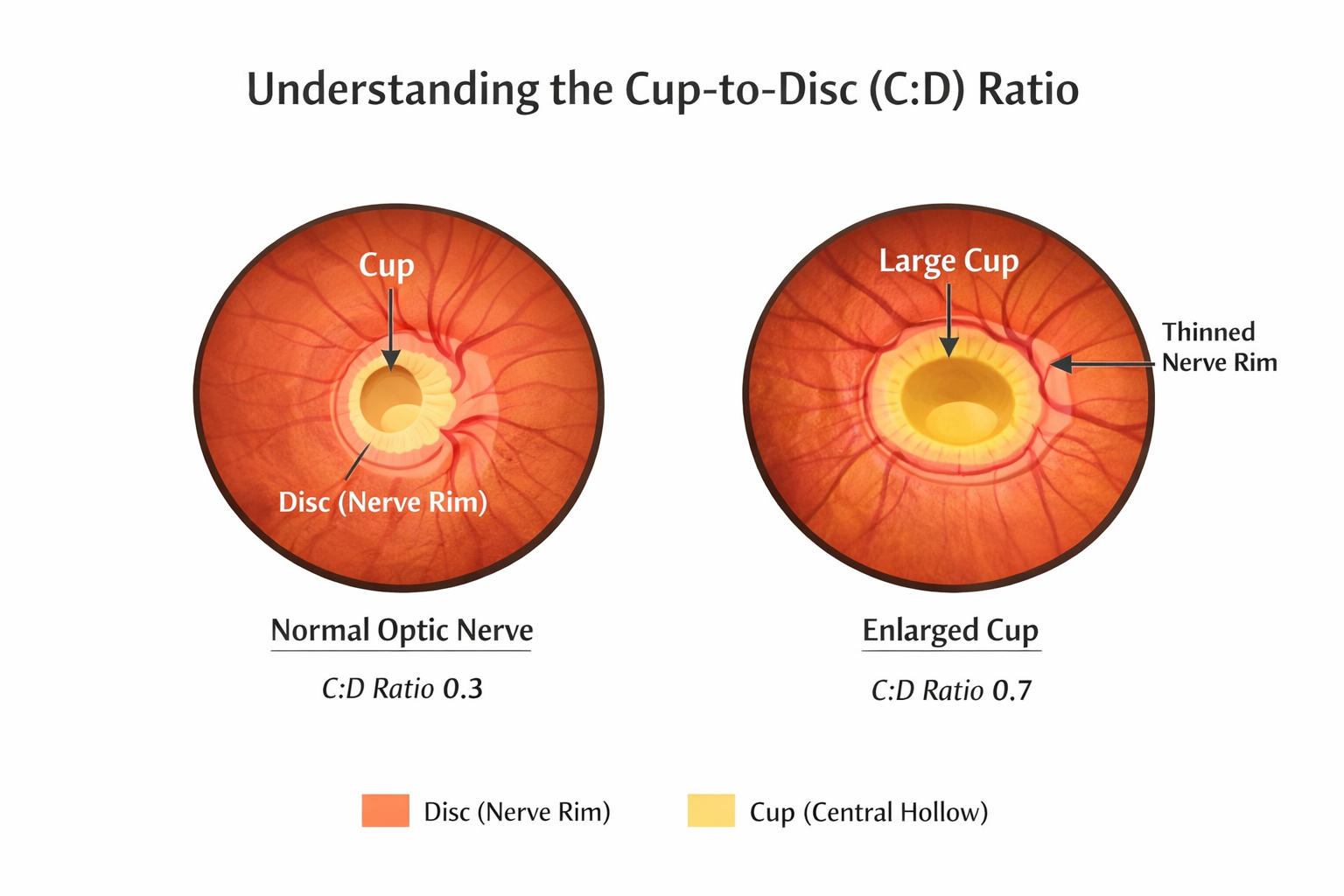
Glaucoma is a lifelong diagnosis. Treatment — once started — is typically indefinite. The diagnosis should be based on a combination of intraocular pressure, optic nerve appearance, visual field results, and corneal thickness. If you were diagnosed on the basis of pressure alone, or on a single test, or without a full explanation of what was found and why it constitutes glaucoma — seek a second opinion before beginning treatment.
2. You Have Been Told You Are a “Glaucoma Suspect”
This means one or more findings are abnormal but the picture is not yet diagnostic. This category requires careful, longitudinal monitoring. How often? Which tests? What would cross the threshold into treatment? If these questions were not answered, a second expert view helps establish a clear baseline and monitoring plan.
3. Surgery or Laser Has Been Recommended
Any recommendation for surgical intervention — cataract surgery, glaucoma surgery, laser treatment — warrants confirmation. Not because the first recommendation is necessarily wrong, but because the consequences of operating unnecessarily, or of delaying necessary surgery, are both significant. A second opinion calibrates the timing and appropriateness of the recommendation.
4. Your Symptoms Are Not Explained by Your Diagnosis
If you have a diagnosis — dry eye, early cataract, elevated pressure — but continue to experience symptoms that the diagnosis does not account for, something may be coexisting or being missed. A second opinion looks at the full picture, not just the known diagnosis.
5. Your Condition Is Not Responding to Treatment
Glaucoma drops that are not controlling pressure. Dry eye treatment that gives no relief. A post-operative result that is not what was expected. When treatment is not working, the first question is whether the diagnosis is complete and the treatment is correctly targeted. A second specialist review answers that question.
6. You Have a Family History of Blindness or Serious Eye Disease
If a parent or sibling lost vision to glaucoma, or has been treated for macular disease or diabetic eye disease, you carry elevated risk. A second opinion from a specialist is an investment in understanding your personal risk profile — particularly if your primary examiner has not taken a detailed family history or discussed it with you.
7. The Appointment Was Too Brief for the Complexity of the Problem
A diagnosis of glaucoma delivered in a five-minute appointment, without time for questions, without a printed report, without a follow-up plan — is not a complete consultation. If you left an appointment with a significant finding and no real understanding of what it means, a longer consultation with a specialist is not a second opinion. It is completing the first one.
8. You Simply Want to Be Sure
This is sufficient. You do not need a clinical trigger to seek confirmation of a diagnosis that will affect your life. Wanting certainty — about whether you have glaucoma, whether you need surgery, whether your vision is at risk — is a legitimate and sensible reason to see another doctor.
What a Good Second Opinion Consultation Includes
A second opinion is not a repeat of your original tests. It is a review of your full clinical picture by someone who has not seen you before and has no investment in confirming a previous conclusion.
It should include: a review of all previous test results and reports, independent examination and relevant investigations, a frank discussion of what the evidence shows, a clear statement of agreement or disagreement with previous findings, and a forward plan.
You are entitled to leave knowing exactly where you stand.
Symptom and Situation
| Situation | Should You Seek a Second Opinion? | Why |
|---|---|---|
| New glaucoma diagnosis | Yes | Lifelong treatment; confirm before starting |
| Surgery recommended | Yes | Irreversible decision; confirm timing and necessity |
| “Glaucoma suspect” with no follow-up plan | Yes | Monitoring plan is essential; gaps are dangerous |
| Treatment not working | Yes | Diagnosis or treatment target may be incomplete |
| Brief appointment, unanswered questions | Yes | Information is part of care; seek it elsewhere |
| Normal results but persistent symptoms | Yes | The right tests may not have been done |
| Routine prescription update, no new findings | No | Low complexity; second opinion adds little |
What We Often Miss
The most common reason patients delay seeking a second opinion is not clinical — it is social. They do not want to seem like they are questioning their doctor. They assume the specialist knows best. Sometimes, they worry the second doctor will say something worse.
A second opinion does not mean the first doctor was wrong. It means the diagnosis has been confirmed — or refined. In either outcome, the patient benefits.
In glaucoma, where the disease is silent, where progression is irreversible, and where treatment is indefinite, the cost of a missed or misapplied diagnosis is vision. The cost of a second opinion is an appointment.
When to Act Urgently
Do not delay seeking an opinion if:
- You have been told your optic nerve looks abnormal
- Your intraocular pressure is above 21 mmHg on any measurement
- Surgery has been scheduled and you have not had time to process the recommendation
- You have lost vision in one eye suddenly or recently
- You have a family history of glaucoma and have never been formally screened
What This Means for You
A second opinion is not a failure of trust in your doctor. It is an act of appropriate self-advocacy for a condition that, if misjudged in either direction, has permanent consequences.
Fellowship-trained specialists in glaucoma offer second opinions as a standard part of their practice. The appointment is structured to review what has been done, identify what may have been missed, and give you a clear, independent view of your eye health.
You deserve that clarity. Ask for it.
Known for her structured approach to glaucoma risk assessment and progression analysis, Dr Shibal Bhartiya provides trusted second opinions for patients seeking clarity before major treatment decisions. Both, in person, and online.
Frequently Asked Questions
Will my original doctor be offended if I seek a second opinion?
Any clinician confident in their diagnosis welcomes independent confirmation. A second opinion is standard medical practice, particularly for significant diagnoses. If your doctor discourages you from seeking one, that response itself warrants reflection.
Do I need to bring all my previous test results?
Yes. Bring every report, disc photograph, visual field printout, and prescription record you have. A second opinion without access to previous data cannot serve its purpose. If your original clinic has not given you copies of your results, you are entitled to request them.
Can a second opinion change my diagnosis?
Yes. Glaucoma, in particular, is frequently over-diagnosed (pressure-only diagnosis without structural or functional evidence) and under-diagnosed (normal pressure with real optic nerve damage). A specialist second opinion using comprehensive testing may confirm, modify, or change a previous conclusion.
Is a second opinion relevant for cataract surgery?
Yes. Cataract surgery is the most commonly performed surgery in ophthalmology. The decision of when to operate — and which lens to implant — has significant quality-of-life implications. A second opinion confirms the timing is right for you and that the lens recommendation matches your visual needs and lifestyle.
How do I find a fellowship-trained glaucoma specialist for a second opinion?
Look for a specialist with documented fellowship training in glaucoma, ideally from recognised institution, with a track record of published research and subspecialty practice. In Gurgaon, Dr Shibal Bhartiya offers second opinion consultations with full review of previous records, independent investigations, and a detailed clinical discussion.
This article is a part of the Second Opinion Hub. Please also read Second Opinion in Glaucoma, Second Opinion Before Cataract Surgery, Second Opinions in Eye Care, Neuro-ophthalmology Second Opinion, Second Opinion Guidelines, Second Opinion Framework for Glaucoma, and Second Opinion Framework for Dry Eye.
About the Author
This article was written by Dr Shibal Bhartiya, fellowship-trained glaucoma specialist and Mayo Clinic Research Collaborator, Clinical Director at Marengo Asia Hospitals, Gurugram, known for ethical, patient-centred glaucoma care and independent glaucoma second opinions. She is also the Program Director for Community Outreach & Wellness; and for the Marengo Asia International Institute of Neuro and Spine.
She has published peer-reviewed research on glaucoma management, examining how treatment decisions should balance medical evidence, patient preferences, and long-term vision outcomes.
As Editor-in-Chief of Clinical and Experimental Vision and Eye Research and Executive Editor of the Journal of Current Glaucoma Practice (Pubmed Indexed, official journal of the International Society of Glaucoma Surgery), Dr Shibal Bhartiya brings editorial and research depth to every clinical decision. Her 200+ publications, including 90+ PubMed-indexed publications and 28 edited textbooks span glaucoma biology, surgical outcomes, health equity, and emerging diagnostics.
1500+ Five Star Patient Reviews Google Business Profile
If you are unable to come to Dr Bhartiya’s clinic: Read more about teleconsultation for glaucoma
Read her research on PubMed | Google Scholar | ResearchGate | ORCID
Upload your reports for a structured review.| www.drshibalbhartiya.com | +91 88826 38735
Leave a review on Google