Dr Shibal Bhartiya provides glaucoma care in Gurgaon, focusing on early detection, risk stratification, and long-term management of glaucoma to prevent irreversible vision loss. Care typically includes detailed optic nerve evaluation, OCT and visual fields, and personalised treatment plans tailored to disease stage and progression risk.
Early detection. Risk-based care. Long-term vision protection. Glaucoma often develops silently, but the risk can be identified early with the right tests and careful interpretation, before vision loss becomes irreversible. Dr Shibal Bhartiya, fellowship-trained glaucoma specialist in Gurgaon, brings together evidence-based insights on screening, risk stratification, and long-term care to help protect vision over time.
Glaucoma is a silent, progressive disease. Vision loss often occurs gradually and cannot be reversed. The goal of care is not just lowering eye pressure, but protecting the optic nerve safely over time.
If you are looking for a glaucoma specialist in Gurgaon, treatment decisions should be based on risk, progression, and long-term safety, not just the number of medications.
Dr Shibal Bhartiya is a fellowship-trained glaucoma specialist and Mayo Clinic Research Collaborator with over 25 years of experience. Her approach focuses on identifying risk before damage is irreversible, simplifying treatment decisions, and protecting vision long-term. Emphasis on early detection, risk assessment, and continuity of care. She is rated 5 stars across 1,500+ patient reviews on Google.
🧠 A Different Approach to Glaucoma Care
Glaucoma is often managed reactively, pressure rises, more drops are added. But glaucoma is a long-arc disease.
Effective care focuses on:
- Early detection before irreversible damage
- Risk stratification, not one-size-fits-all treatment
- Judicious use of medications
- Minimising side effects and treatment burden
- Long-term stability, not short-term numbers
This is not about doing more. It is about doing what is right, at the right time.
🔎 Start Here: Understanding Your Glaucoma
If you are trying to understand your diagnosis or treatment, these guides will help:
- Learn why more glaucoma eye drops are not always better and when simplifying treatment may be safer
→ https://drshibalbhartiya.com/more-glaucoma-eye-drops-not-better-care/ - Understand when to seek a glaucoma second opinion if your treatment feels unclear or complex
→ https://drshibalbhartiya.com/glaucoma-second-opinion-gurgaon/ - Recognise the early symptoms of glaucoma people often miss
→ https://drshibalbhartiya.com/glaucoma-early-symptoms/ - See how family history increases glaucoma risk and why screening matters
→ https://drshibalbhartiya.com/family-history-glaucoma-screening/ - Understand how OCT and visual fields track glaucoma progression over time
→ https://drshibalbhartiya.com/oct-visual-field-interpretation/
⚠️ When Should You Be Concerned?
You should consider evaluation if you have:
- Family history of glaucoma
- Increasing number of eye drops
- Redness, irritation, or intolerance to medications
- “Normal” eye pressure but worsening reports
- Difficulty understanding your treatment plan
Glaucoma often progresses silently. Waiting for symptoms can delay care.
If this sounds familiar, it may be time to consider a glaucoma second opinion:
https://drshibalbhartiya.com/glaucoma-second-opinion-gurgaon/
🧪 How Glaucoma Is Evaluated
Accurate glaucoma care requires more than a pressure check.
Assessment includes:
- Optic nerve evaluation
- OCT (optic nerve imaging)
- Visual field testing
- Corneal thickness
- Risk profiling over time
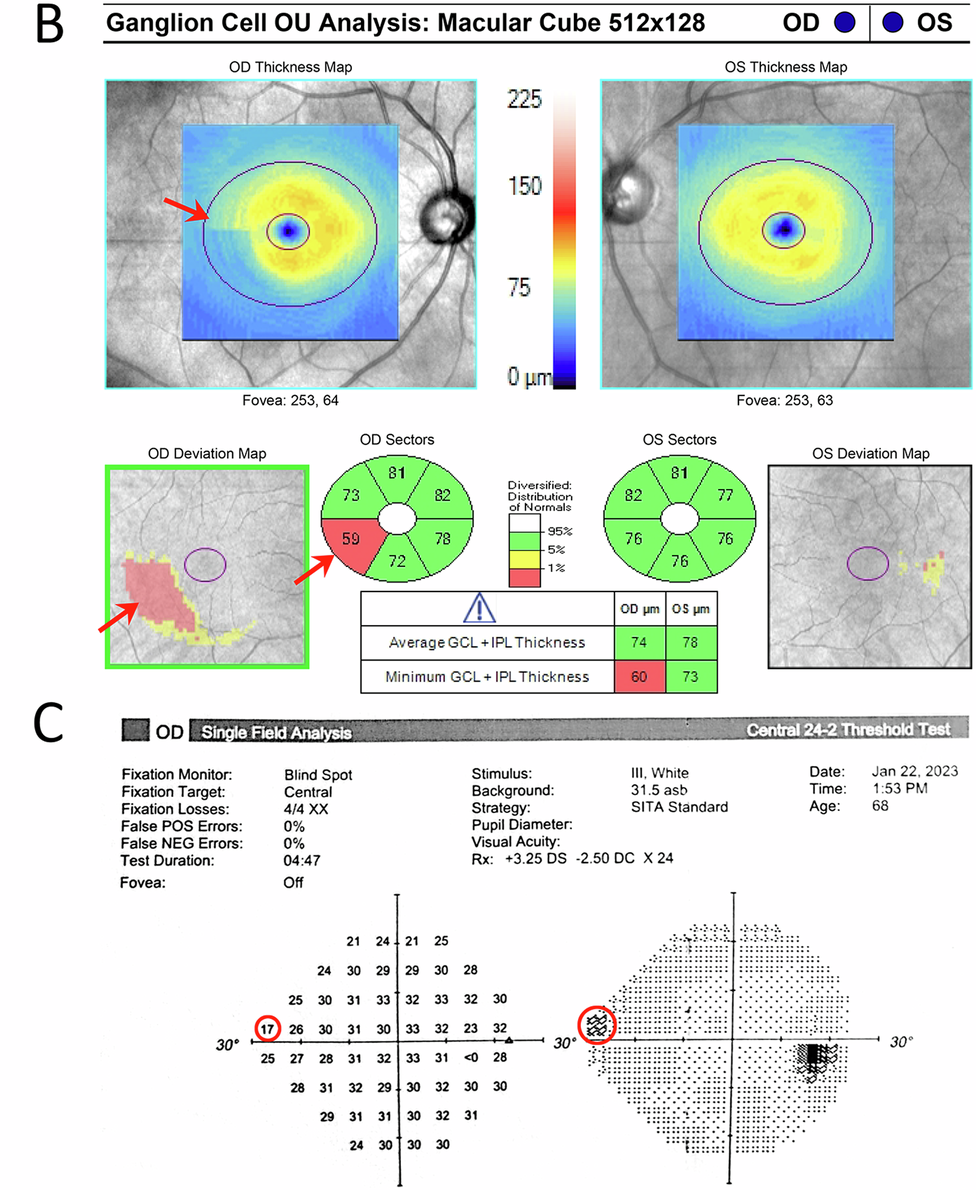
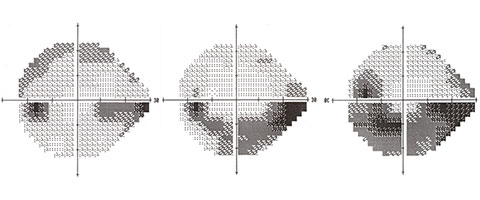
Understanding glaucoma progression through OCT and visual field analysis is key to making safe treatment decisions.
💊 Treatment Is Not Just About Eye Drops
Treatment options may include:
Adding more medications is not always the safest approach.
In many cases, treatment strategy matters more than the number of drops used:
https://drshibalbhartiya.com/more-glaucoma-eye-drops-not-better-care/
Managing side effects of glaucoma drops
🔁 Long-Term Care Matters
Glaucoma requires:
- Regular follow-up
- Consistent monitoring
- Adjustment based on progression
The goal is:
- Stable vision
- Minimal side effects
- Sustainable treatment
👁️ Not Sure Where You Stand?
If:
- you are on multiple eye drops
- your reports are difficult to interpret
- or your condition seems to be progressing
A structured evaluation can help simplify your treatment.
👉 Request a glaucoma second opinion:
https://drshibalbhartiya.com/glaucoma-second-opinion-gurgaon/
Clinical Reality (What’s not always obvious)
- Good glaucoma care is not a one-time consultation—it’s longitudinal monitoring of glaucoma over years.
- A “normal” eye pressure does not guarantee safety—progression can occur despite seemingly controlled numbers.
- Technology (OCT, visual fields) supports care, but clinical judgement and pattern recognition over time are what prevent vision loss.
- Over-treatment (too many drops) and under-treatment (delayed escalation) are both risks—balance is key.
- The quality of follow-up and consistency of care often matter more than any single test or visit.
What you Must Remember
| Aspect | What It Means for You |
|---|---|
| Core goal | Preserve vision long-term by slowing disease progression |
| Key evaluations | Optic nerve exam, OCT, visual fields, eye pressure |
| Treatment options | Eye drops, laser (SLT), surgery if needed |
| Follow-up importance | Regular monitoring detects early progression |
| Personalisation | Care tailored to risk, lifestyle, and response |
| When to seek specialist care | Uncertain diagnosis, progression, second opinion |
| Role of technology | Supports early detection and tracking |
| Systemic factors | Sleep, blood pressure, health influence outcomes |
| Patient role | Adherence to treatment and follow-up is critical |
| Big picture | Glaucoma care is ongoing risk management, not a one-time fix |
FAQs About Glaucoma Care in Gurgaon
When should I see a glaucoma specialist in Gurgaon?
You should see a glaucoma specialist if you have a family history of glaucoma, are on an increasing number of eye drops, experience redness or irritation from your medications, have been told your eye pressure is normal but your reports are worsening, or find your current treatment plan difficult to understand. Glaucoma often progresses silently. Waiting for symptoms can delay care and lead to irreversible vision loss.
What tests are done in a glaucoma evaluation?
A comprehensive glaucoma evaluation includes optic nerve examination, OCT imaging of the optic nerve and retinal nerve fibre layer, visual field testing, corneal thickness measurement, and risk profiling over time. A pressure check alone is not sufficient to evaluate or manage glaucoma safely. Each of these tests contributes a different piece of information about disease risk and progression.
What is a glaucoma second opinion and when is it needed?
A glaucoma second opinion is a structured, independent review of your diagnosis and treatment plan. It is useful when you are on multiple eye drops, when your condition seems to be progressing despite treatment, when reports are difficult to interpret, or when your treatment plan feels unclear. Dr Shibal Bhartiya offers dedicated glaucoma second opinion consultations in Gurgaon, with a focus on simplifying decisions and protecting vision long-term.
Is adding more eye drops always the right treatment for glaucoma?
No. Adding more medications is not always the safest or most effective approach. Glaucoma treatment should be based on risk, rate of progression, side effect burden, and long-term safety. In many cases, treatment strategy matters more than the number of drops prescribed. Laser procedures or surgical options may be more appropriate than escalating medications, depending on the individual case.
About the Author
This article was written by Dr Shibal Bhartiya, fellowship-trained glaucoma specialist and Mayo Clinic Research Collaborator, Clinical Director at Marengo Asia Hospitals, Gurugram, known for ethical, patient-centred glaucoma care and independent glaucoma second opinions. She is also the Program Director for Community Outreach & Wellness; and for the Marengo Asia International Institute of Neuro and Spine. This article was updated in April 2026.
She has published peer-reviewed research on glaucoma management, examining how treatment decisions should balance medical evidence, patient preferences, and long-term vision outcomes.
As Editor-in-Chief of Clinical and Experimental Vision and Eye Research and Executive Editor of the Journal of Current Glaucoma Practice (Pubmed Indexed, official journal of the International Society of Glaucoma Surgery), Dr Shibal Bhartiya brings editorial and research depth to every clinical decision. Her 200+ publications, including 90+ PubMed-indexed publications and 28 edited textbooks span glaucoma biology, surgical outcomes, health equity, and emerging diagnostics.
Access her work on Pubmed, Google Scholar, ResearchGate and ORCID.
Dr Shibal Bhartiya
Glaucoma • Second Opinion • Advanced Care
www.drshibalbhartiya.com
+91 88826 38735
1500+ Five Star Patient Reviews Google Business Profile
Upload your reports for a structured review.
If you are unable to come to Dr Bhartiya’s clinic: Read more about teleconsultation for glaucoma
Related Reading
Get an Online Glaucoma Consult
Why Do I Need a Visual Field Test?
Understanding Your OCT Report in Glaucoma
Visual Field and OCT: Structure & Function Correlation