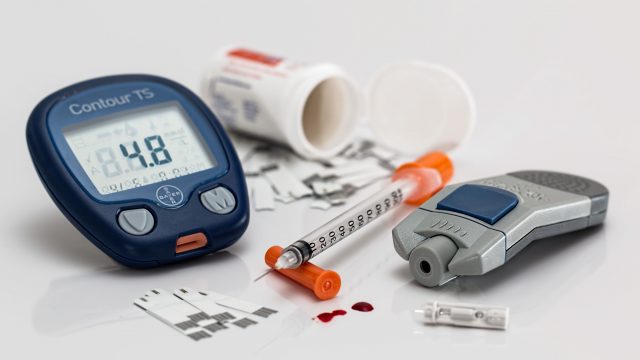
Diabetes can increase the risk of glaucoma and other vision-threatening eye complications, so regular eye pressure, optic nerve and retinal assessment is important. If you have diabetes, glaucoma, or unexplained changes in vision, Dr Shibal Bhartiya, glaucoma specialist in Gurugram, can provide a comprehensive evaluation and personalized treatment plan to protect your vision.
Diabetes and Glaucoma: Why Diabetic Patients Face a Double Risk to Their Vision
India has the second largest diabetic population in the world. Most people living with diabetes know about its effects on the kidneys and heart. Far fewer know that diabetes and glaucoma risk are directly linked, and that this combination can quietly rob patients of their vision before they notice anything is wrong.
This article explains how diabetes damages the eye beyond the retina, why diabetic patients are at higher risk for multiple forms of glaucoma, and what you should be doing about it if you have diabetes.
My Clinical Perspective
In my glaucoma practice, I regularly see patients who have both diabetes and glaucoma, and the relationship is not always straightforward. Diabetes can increase the risk of glaucoma, while advanced diabetic retinopathy can lead to neovascular glaucoma, a much more aggressive form of the disease. I also frequently see diabetic patients who struggle with dry eye and tolerate their glaucoma drops poorly. For this reason, I assess the optic nerve, eye pressure, visual field, retinal status and ocular surface together rather than treating glaucoma in isolation. The aim is not simply to lower eye pressure, but to understand the individual patient’s overall risk of vision loss and protect vision over the long term.
How Diabetes Raises Your Glaucoma Risk
Glaucoma is damage to the optic nerve, usually driven by raised eye pressure. It has no symptoms in the early stages. Vision loss, once it occurs, is permanent.
The diabetes and glaucoma risk connection works through several mechanisms. High blood sugar damages the small blood vessels throughout the body, including those that supply the optic nerve and the eye’s drainage system. When these vessels are compromised, the optic nerve becomes more vulnerable to pressure damage, and fluid may not drain efficiently from the eye.
Research consistently shows that people with diabetes are roughly twice as likely to develop glaucoma compared to people without diabetes. The risk is higher still when blood sugar is poorly controlled over many years. Duration of diabetes matters too; the longer a person has had diabetes, the greater the cumulative damage to ocular blood vessels and drainage structures.
Note: Both Type 1 and Type 2 diabetes increase glaucoma risk. The risk compounds further when other factors are present, such as a family history of glaucoma, age over 40, or high eye pressure.
Neovascular Glaucoma: The Most Dangerous Complication
Beyond the general increase in glaucoma risk, diabetes can cause a specific and particularly severe form of the disease called neovascular glaucoma (NVG).
NVG develops when proliferative diabetic retinopathy, the advanced stage of diabetic eye disease, causes abnormal new blood vessels to grow on the surface of the iris and across the eye’s drainage angle. These vessels are fragile, poorly formed, and they block the drainage channels that keep eye pressure in check.
The result is a rapid, sometimes catastrophic rise in eye pressure. Unlike primary open-angle glaucoma, which progresses over years, NVG can cause severe vision loss within weeks if not treated urgently.
NVG is treated differently from primary glaucoma. The retina specialist must treat the underlying proliferative retinopathy, often with laser or injections, while the glaucoma specialist works simultaneously to control pressure. Surgery is often required. Even with prompt treatment, visual outcomes can be poor, which is why preventing proliferative retinopathy through tight blood sugar control is so important.
Note: If you have been told you have proliferative diabetic retinopathy, discuss neovascular glaucoma screening with both your retina specialist and your glaucoma doctor.
What I Look For in Clinical Practice
When I see a patient with diabetes and glaucoma, I pay particular attention to the possibility of neovascular glaucoma if there is advanced or proliferative diabetic retinopathy. A sudden rise in eye pressure, new vessels on the iris or drainage angle, pain, redness or a rapid change in vision requires urgent assessment. These patients often need coordinated care between the glaucoma and retina teams because treating the eye pressure alone does not address the underlying retinal ischaemia.
Dry Eye Disease in Diabetics: A Complication That Is Often Missed
Dry eye disease in diabetics is far more common than most patients realise. Diabetes damages the corneal nerves, reducing corneal sensitivity and impairing the signals that stimulate tear production. The meibomian glands, which produce the oily layer that stops tears from evaporating, are also affected by diabetic neuropathy.
Dry eye disease in diabetics can cause persistent grittiness, fluctuating vision, and discomfort with screen use. It can also interfere with glaucoma treatment. Many glaucoma eye drops contain preservatives that are themselves irritating to a dry eye surface, making patients less likely to use their drops consistently. Poor adherence to drops is one of the most common reasons for glaucoma progression in otherwise treatable patients.
If you have diabetes and find your eyes are persistently dry, irritated, or uncomfortable, tell your eye doctor. Managing dry eye is not a cosmetic concern; it is directly relevant to your ability to protect your vision.
The High Blood Pressure and Glaucoma Link
Many patients with Type 2 diabetes also have hypertension. The high blood pressure and glaucoma link is well established, and it operates in two directions.
Sustained high blood pressure can damage the small vessels supplying the optic nerve, reducing blood flow and making the nerve more vulnerable to glaucoma damage at even normal eye pressures. This is one of the reasons normal tension glaucoma, where optic nerve damage occurs without elevated eye pressure, is more common in people with vascular risk factors including hypertension.
Paradoxically, very low blood pressure, or blood pressure that drops sharply overnight, can also worsen glaucoma by reducing optic nerve perfusion during sleep. Patients on antihypertensive medications who experience nocturnal blood pressure dips are at particular risk.
If you have both diabetes and hypertension, your eye doctor needs to know. Managing blood pressure is part of managing glaucoma risk, and your ophthalmologist and physician should ideally communicate about your overall vascular risk profile.
When Glaucoma Progresses Despite Drops
Most patients with glaucoma are treated with eye drops to lower eye pressure. In the majority of patients, this works well. However, glaucoma progression despite drops is more common in diabetic patients, for several reasons.
First, diabetic patients are more likely to have fluctuating eye pressure, particularly if blood sugar is unstable. Pressure spikes that occur between clinic visits may not be captured on a single routine measurement, giving a false impression of good control.
Second, dry eye disease in diabetics, as discussed above, makes drop use uncomfortable, leading to missed doses. Inconsistent drop use is the most preventable cause of glaucoma progression.
Third, the optic nerve in diabetic patients may be inherently more vulnerable, meaning that a degree of pressure control that would be adequate in a non-diabetic patient may still allow progression.
If your glaucoma is progressing despite taking your drops as prescribed, ask your doctor about 24-hour pressure monitoring, laser treatment (selective laser trabeculoplasty), or referral for a surgical opinion. A second opinion from a specialist with expertise in complex glaucoma may also help clarify whether your current treatment plan is the most appropriate one for your situation.
What I Look For in Clinical Practice
In my experience, apparent glaucoma progression in a patient with diabetes deserves a careful review rather than an automatic escalation of treatment. I look at the pattern and rate of visual-field change, optic nerve findings, eye-pressure measurements, treatment adherence and the health of the ocular surface. Diabetic retinal disease can also complicate interpretation of visual symptoms and structural tests. The important question is whether the glaucoma is genuinely progressing, whether the current treatment is adequate, and whether another ocular or systemic factor is contributing.
Early Glaucoma Symptoms and Screening for Diabetic Patients
The most important thing to understand about early glaucoma symptoms is that there usually are none. Glaucoma is called the silent thief of sight precisely because most patients have no pain, no redness, and no blurring until significant vision has already been lost. By the time a patient notices changes in their peripheral vision, the disease is typically well advanced.
This is why the early glaucoma symptoms that patients should actually look out for are indirect clues rather than direct symptoms of the disease itself: difficulty with night driving, missing objects at the edges of your vision, needing more light to read, or noticing that your glasses prescription is changing frequently. None of these are specific to glaucoma, but in a diabetic patient they warrant prompt evaluation.
For diabetic patients, the standard recommendation is a comprehensive eye examination once a year, including measurement of eye pressure, assessment of the optic nerve, and visual field testing. If you have already been diagnosed with glaucoma, or are a glaucoma suspect, your doctor will recommend more frequent visits.
Do not rely on the retinal photographs taken for diabetic retinopathy screening to detect glaucoma. Retinopathy screening typically captures the central retina, not the optic nerve in sufficient detail, and does not include pressure measurement or visual field testing. These are separate assessments that require a dedicated glaucoma evaluation.
What Diabetic Patients Should Do
- Have a comprehensive eye examination at least once a year, specifically including glaucoma screening.
- Tell your eye doctor if you are on any medications for blood pressure, as these can affect optic nerve blood flow.
- Report any dry eye symptoms; these affect your ability to use glaucoma drops effectively.
- Control blood sugar and blood pressure as well as possible; both directly reduce the diabetes and glaucoma risk.
- If you have been told you have proliferative retinopathy, ask specifically about neovascular glaucoma.
- If your glaucoma is progressing despite treatment, ask about a second opinion or referral to a glaucoma specialist.
Concerned About Glaucoma and Diabetes?
Good blood sugar control is important for reducing the risk of diabetic eye disease and its complications. It should be part of a broader approach that includes regular retinal and glaucoma assessment, blood-pressure management and appropriate treatment of established eye disease.
If you have diabetes and have been diagnosed with glaucoma—or are concerned about your risk—a specialist assessment can help determine whether your glaucoma is stable and whether your current treatment is protecting your vision.
Book a glaucoma consultation with Dr Shibal Bhartiya in Gurugram for an individualized assessment of your eye pressure, optic nerve, visual field and overall risk of glaucoma progression.
Book an Appointment:
📍 Gurgaon 📞 +91 88826 38735 | 🌐 Contact Us | Second Opinion Form for teleconsults
My Research and Clinical Experience
My interest in the relationship between diabetes and glaucoma also extends to clinical research. I have co-authored research on diabetic retinopathy and its effects on the retinal nerve fibre layer and optic nerve, as well as a recent review with my Mayo clinic colleagues, examining emerging evidence on the potential glaucoma-related benefits of GLP-1 receptor agonists used in diabetes and weight management. This research informs my clinical approach to patients with diabetes, glaucoma and diabetic eye disease, where protecting vision requires looking beyond eye pressure alone.
Frequently Asked Questions: Diabetes and Glaucoma
Q1. Does having diabetes mean I will definitely get glaucoma?
No, but the diabetes and glaucoma risk is real and significant. People with diabetes are approximately twice as likely to develop glaucoma compared to those without it. The risk increases with disease duration and with poor blood sugar control. Having diabetes means you need regular, structured glaucoma screening, not that glaucoma is inevitable. Many diabetic patients never develop glaucoma, particularly if blood sugar is well managed and eye checks are regular.
Q2. My diabetologist checks my eyes. Is that enough for glaucoma?
Not usually. Diabetic eye checks typically focus on the retina, looking for diabetic retinopathy. Glaucoma screening requires additional tests: eye pressure measurement, optic nerve assessment, and visual field testing. These are not routinely included in standard diabetic retinopathy screening. You need a dedicated eye examination by an ophthalmologist, ideally one familiar with both diabetic eye disease and glaucoma, at least once a year.
Q3. I have diabetes and my eyes feel fine. Do I still need a glaucoma test?
Yes, absolutely. The absence of early glaucoma symptoms is precisely what makes it dangerous. Glaucoma causes no pain, no redness, and no noticeable change in central vision until the disease is well advanced. By the time a patient feels something is wrong, significant and irreversible peripheral vision has usually already been lost. Feeling fine is not a reliable indicator of eye health, particularly in diabetic patients who have elevated baseline risk.
Q4. Can controlling my blood sugar reduce my risk of glaucoma?
Yes. Good blood sugar control is one of the most effective things you can do to reduce the diabetes and glaucoma risk. Prolonged high blood sugar damages the small blood vessels that supply the optic nerve and the eye’s drainage structures. Keeping your HbA1c within your target range, managing blood pressure, staying physically active, and not smoking all reduce the cumulative vascular damage that drives glaucoma risk in diabetic patients.
Q5. I have both glaucoma and diabetes. My glaucoma drops are uncomfortable. What should I do?
Dry eye disease in diabetics is a common and under-recognised reason for drop discomfort. Diabetic neuropathy reduces corneal sensitivity and impairs tear production, making the eye surface more vulnerable to the preservatives in many glaucoma drops. Do not simply stop your drops; stopping leads to uncontrolled pressure and glaucoma progression. Instead, tell your doctor about the discomfort. Options include switching to preservative-free formulations, adding lubricating drops, treating the dry eye directly, or exploring laser treatment as an alternative to drops. A frank conversation or second opinion with your glaucoma specialist will usually resolve this.
This page is a part of the Glaucoma Hub. you may want to read about Glaucoma Progression, , and Risk Stratification in Glaucoma. Other articles of interest could be Advanced Glaucoma Care in Gurgaon, What Good Glaucoma Care Actually Optimises For, What Happens If Glaucoma Is Left Untreated?, More Glaucoma Eye Drops is Not Better Glaucoma Care, 5 Mistakes Patients Make in Glaucoma Care and Do You Really Need Treatment for Glaucoma?
You may also want to read some more about how diabetes affects your eyes: Diabetes and Eye Complications, Diabetic Retinopathy Despite Blood Sugar Control, Diabetes and the Eye, and Glaucoma and Diabetes: What Is the Connection?
About the Author
This article was written by Dr Shibal Bhartiya, fellowship-trained glaucoma specialist and Mayo Clinic Research Collaborator, Clinical Director at Marengo Asia Hospitals, Gurugram, known for ethical, patient-centred glaucoma care and independent glaucoma second opinions. She is also the Program Director for Community Outreach & Wellness; and for the Marengo Asia International Institute of Neuro and Spine.
Dr Bhartiya has published peer-reviewed research onglaucoma management, examining how treatment decisions should balance medical evidence, patient preferences, and long-term vision outcomes. She is also a committed patient advocate and mainstream medical columnist, translating complex ophthalmic evidence into actionable public health insights across leading national platforms including NDTV and OnlyMyHealth
As Editor-in-Chief of Clinical and Experimental Vision and Eye Research and Executive Editor of the Journal of Current Glaucoma Practice (Pubmed Indexed, official journal of the International Society of Glaucoma Surgery), Dr Shibal Bhartiya brings editorial and research depth to every clinical decision. Her 200+ publications, including 90+ PubMed-indexed publications and 28 edited textbooks span glaucoma biology, surgical outcomes, health equity, and emerging diagnostics.
1600+ Five Star Patient Reviews Google Business Profile
If you are unable to come to Dr Bhartiya’s clinic: Read more about teleconsultation
Read her research on PubMed | Google Scholar | ResearchGate | ORCID | Github | Wikidata
📋Upload your reports for a structured review.| 🌐 Contact Us| 📞 +91 88826 38735
⭐ Helped by this article? Leave a Google review — it helps other patients find reliable eye care.
Last Reviewed: October 2026