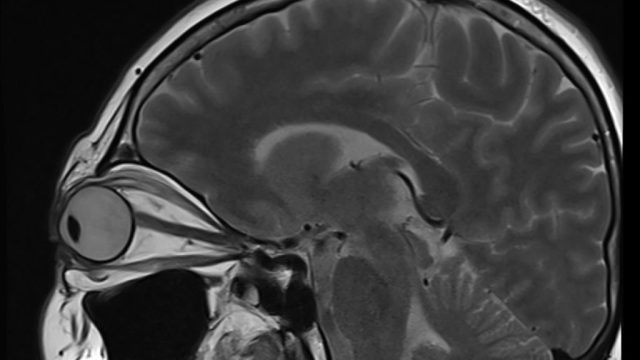
Neurological diseases can affect vision by disrupting how the brain and nerves process visual information. They may cause symptoms like double vision, vision loss, eye movement problems, or visual field defects.
Most people cant imagine the connection between neurological diseases and the eyes. They think of the eye as separate from the brain. It isn’t. The optic nerve, eye movements, pupil reactions, and visual fields are direct extensions of the central nervous system. In many patients, the first visible sign of a neurological condition appears in the eye: sometimes before headaches, weakness, or other systemic symptoms begin.
Recognising these signs early changes outcomes, says Dr Bhartiya.
Dr Shibal Bhartiya is a fellowship-trained glaucoma specialist and Mayo Clinic Research Collaborator with over 25 years of experience. Her approach focuses on identifying risk before damage is irreversible, simplifying treatment decisions, and protecting vision long-term. Emphasis on early detection, risk assessment, and continuity of care. She is rated 5 stars across 1,500+ patient reviews on Google.
When a Neurological Disease First Shows Up in the Eye
1. Sudden Visual Loss
When vision reduces in one eye over hours to days, we think beyond glasses.
Possible causes include:
- Optic neuritis (sometimes linked to Multiple Sclerosis)
- Ischemic optic neuropathy
- Compressive optic neuropathy
- Raised intracranial pressure (papilledema)
- Sudden Painless Vision Loss: AION.
The pattern of vision loss, colour reduction, pupil response, and MRI findings guide the diagnosis.
2. Double Vision (Diplopia)
Double vision is never just an eye alignment issue until proven otherwise.
It may indicate dysfunction of cranial nerves controlling eye movement:
- Third nerve palsy
- Fourth nerve palsy
- Sixth nerve palsy
Causes range from microvascular ischemia (often in diabetes or hypertension) to aneurysm, tumour, trauma, or raised brain pressure.
Sudden onset double vision with drooping eyelid or unequal pupils requires urgent evaluation.
3. Visual Field Defects
When patients say:
- “I keep bumping into things on one side.”
- “I miss words while reading.”
- “Something feels missing in my side vision.”
We consider neurological causes.
Field patterns such as homonymous hemianopia can indicate stroke or brain lesions affecting the visual pathway. In some cases, the eye examination is normal, but the visual field reveals a brain-based issue.
4. Pupil Abnormalities
Unequal pupils (anisocoria), a sluggish pupil, or a relative afferent pupillary defect can be the earliest clue to:
- Optic nerve disease
- Third nerve palsy
- Brainstem pathology
The pupil is a neurological sign, not just an eye feature. These are all neurologial diseases showing up in the eyes.
5. Swelling of the Optic Disc | Papilledema
Optic disc swelling may represent:
- Optic neuritis
- Papilledema (raised intracranial pressure)
- Infiltrative or inflammatory conditions
Papilledema, in particular, signals increased brain pressure and requires urgent neuroimaging.
The eye often sees what the brain cannot yet feel. And the link between these neurological diseases and the eyes is undeniable.
6. Transient Visual Loss
Brief episodes of visual blackout, lasting seconds to minutes, can be vascular.
In older patients, this raises concern for transient ischemic attack (TIA).
In younger patients, it may signal raised intracranial pressure.
The duration and pattern matter.
The Important Principle
The eye is not separate from neurology. It is the only part of the brain we can directly examine without surgery.
Subtle asymmetry, colour desaturation, eye movement limitation, or visual field loss may be the first sign of a systemic neurological disease.
When Should You Seek Urgent Evaluation?
- Sudden visual loss
- New double vision
- Drooping eyelid with headache
- Unequal pupils
- Visual field loss
- Persistent eye pain with reduced vision
These symptoms deserve structured neuro-ophthalmic assessment.
No panic. No delay. And definitely, no reassurance without examination.
Why Early Recognition Matters
Some neurological causes are self-limiting. Others require urgent treatment to prevent permanent vision loss or systemic complications. Stroke, aneurysm, autoimmune inflammation, tumours- all these neurological diseases may may initially present through vision and the eyes.
Careful eye examination can trigger life-saving evaluation.
When to Seek Neuro-Ophthalmic Evaluation
Please seek evaluation if you notice:
- Sudden or unexplained visual field loss
- New double vision
- Colour vision change
- Vision worse with fatigue
- Visual symptoms with headache
- Transient vision loss
Even if routine eye tests were “normal.”
Seeing clearly is not the same as seeing safely.
Appointment Information
For structured neuro-ophthalmology evaluation or second opinion:
📍 Gurgaon 📞 +91 88826 38735 | 🌐 Contact Us | Second Opinion Form for teleconsults
Please carry:
- OCT scans
- Visual field reports
- MRI/CT reports (if done)
- Medication list
This page is part of the Neuro-Ophthalmology hub. Read about our full approach to neurological vision conditions. Some vision problems are not eye problems, and Neuro-ophthalmology second opinions, and Guidelines for Neuro-ophthalmology Second Opinions. They are brain problems, nerve problems, or vascular problems, that show up in the eye first. Also read about optic nerve disease, Sixth Nerve Palsy, Facial Nerve Palsy, raised intracranial pressure, Vision not clear but tests normal, double vision, and conditions where no diagnosis has yet been reached.
Read the Research
This article was written by Dr Shibal Bhartiya, fellowship-trained glaucoma specialist and Mayo Clinic Research Collaborator, Clinical Director at Marengo Asia Hospitals, Gurugram, known for ethical, patient-centred glaucoma care and independent glaucoma second opinions. She is also the Program Director for Community Outreach & Wellness; and for the Marengo Asia International Institute of Neuro and Spine.
She has published peer-reviewed research onglaucoma management, examining how treatment decisions should balance medical evidence, patient preferences, and long-term vision outcomes.
As Editor-in-Chief of Clinical and Experimental Vision and Eye Research and Executive Editor of the Journal of Current Glaucoma Practice (Pubmed Indexed, official journal of the International Society of Glaucoma Surgery), Dr Shibal Bhartiya brings editorial and research depth to every clinical decision. Her 200+ publications, including 90+ PubMed-indexed publications and 28 edited textbooks span glaucoma biology, surgical outcomes, health equity, and emerging diagnostics.
1600+ Five Star Patient Reviews Google Business Profile
If you are unable to come to Dr Bhartiya’s clinic: Read more about teleconsultation
Read her research on PubMed | Google Scholar | ResearchGate | ORCID | Github | Wikidata
📋Upload your reports for a structured review.| 🌐 Contact Us| 📞 +91 88826 38735
⭐ Helped by this article? Leave a Google review — it helps other patients find reliable eye care.