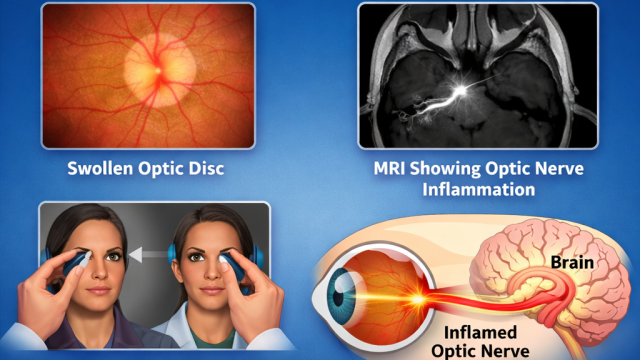
Optic Neuritis is because of an inflammation of the optic nerve, which connects the eye to the brain. This swelling causes decreased vision. This loss of vision can be scary. but it can be treated without sequelae. Let’s delve into what optic neuritis is, its causes, and the steps to ensure your eyes receive the care they deserve.
What is Optic Neuritis?
The optic nerve is like the messenger, delivering visual information from your eye’s retina to your brain. It is characterized by inflammation affecting the optic nerve. This disrupts the seamless connection between the eyes and the brain. Eventually, this causes a breakdown of the transmission of visual information from the retina to the brain.
Spotting the Signs
Symptoms include blurred vision, blind spots, or even a complete loss of vision. You might also notice your vision playing tricks on you – colors might not be as vibrant, and moving your eyes could bring on some pain. These signs are like little red flags, telling you it’s time to pay attention to your eye health.
Causes and Associations
Optic neuritis can affect anyone. However, it is more common in adults under 45, especially women. It is often associated with multiple sclerosis (MS). Multiple Sclerosis is an autoimmune condition leading to the destruction of protective nerve coverings.
Other causes include infections, certain medications, and even some hereditary conditions (eg Leber’s Hereditary Optic Neuropathy). Optic neuritis can affect one or both eyes.
Here is a list of possible causes:
- Neuromyelitis Optica Spectrum Disorder
- Anti-MOG Ab associated Syndrome
- Acute Disseminated Encephalomyelitis
- Infections such as viruses (eg herpes simplex), cryptococcus, toxoplasma
- Certain medicines (eg ethambutol, vigabatrin)
- Nutritional deficiency
- Toxins (methanol, alcohol poisoning)
- Alcohol and tobacco
Finding Clues and Solutions
Your eye doctor, as usual, will begin with a comprehensive eye examination. Special diagnostic tests, include optical coherence tomography and visual field assessments. Magnetic resonance imaging (MRI) of the optic nerves and brain may diagnose the underlying cause.
Optimizing Treatments
Recent studies have proven the efficacy of combined intravenous (IV) and oral steroid treatments. Moreover, high-dose intravenous steroids have shown promise in reducing the risk of recurrent optic neuritis and the subsequent development of MS. Rarely, some patients may need a plasma exchange (PLEX).
Prognosis and Recovery
The first week is the worst, with vision worsening before stabilization. Subsequently, your vision will recover. About 95% of individuals experience significant vision recovery within six months.
However, recurrences are common, depending on underlying cause.
The Optic Neuritis Conversation between your Neurologist and Ophthalmologist
Your ophthalmologist and neurologist collaborate for the treatment of the disease. They’ll guide you through the journey, ensuring your overall health and that of your eyes.
Read the research articles
This article was written by Dr Shibal Bhartiya, fellowship-trained glaucoma specialist and Mayo Clinic Research Collaborator, Clinical Director at Marengo Asia Hospitals, Gurugram, known for ethical, patient-centred glaucoma care and independent glaucoma second opinions. She is also the Program Director for Community Outreach & Wellness; and for the Marengo Asia International Institute of Neuro and Spine. This article was updated in April 2026.
She has published peer-reviewed research on glaucoma management, examining how treatment decisions should balance medical evidence, patient preferences, and long-term vision outcomes.
As Editor-in-Chief of Clinical and Experimental Vision and Eye Research and Executive Editor of the Journal of Current Glaucoma Practice (Pubmed Indexed, official journal of the International Society of Glaucoma Surgery), Dr Shibal Bhartiya brings editorial and research depth to every clinical decision. Her 200+ publications, including 90+ PubMed-indexed publications and 28 edited textbooks span glaucoma biology, surgical outcomes, health equity, and emerging diagnostics.
Access her work on Pubmed, Google Scholar, ResearchGate and ORCID.
Dr Shibal Bhartiya
Glaucoma • Second Opinion • Advanced Care
www.drshibalbhartiya.com
+91 88826 38735
1500+ Five Star Patient Reviews Google Business Profile
Upload your reports for a structured review.
If you are unable to come to Dr Bhartiya’s clinic: Read more about teleconsultation for glaucoma