How to Tell Myasthenia Gravis From Nerve Palsy (and Why It Matters)
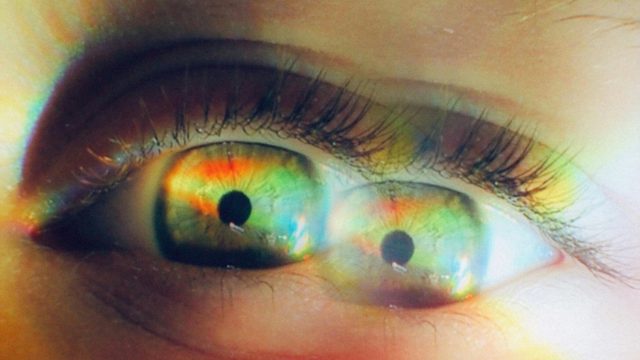
Fluctuating double vision often points to specific neurological patterns: especially Myasthenia gravis or cranial nerve palsies. Because it comes and goes, patients often believe its stress, incorrect glasses or dry eyes.
Intermittent diplopia or double vision that comes and goes, is one of the most confusing neuro-ophthalmic symptoms. Recognising the pattern early prevents delayed diagnosis and unnecessary suffering, says Dr Bhartiya.
Dr Shibal Bhartiya is a fellowship-trained eye specialist and Mayo Clinic Research Collaborator with over 25 years of experience. Her approach focuses on identifying risk before damage is irreversible, simplifying treatment decisions, and protecting vision long-term. Emphasis on early detection, risk assessment, and continuity of care. She is rated 5 stars across 1,500+ patient reviews on Google.
What Does “Intermittent Double Vision” Mean?
Diplopa that:
- Appears when tired
- Improves after rest
- Changes during the day
- Comes with droopy eyelid
is different from constant diplopia. These patterns help distinguish causes.
Myasthenia Gravis: The Great Mimicker
Myasthenia gravis affects the neuromuscular junction. Eye muscles fatigue easily, causing fluctuating symptoms.
Typical clues:
- Worse by evening
- Variable eyelid droop
- Changing double vision pattern
- Better after sleep
- Normal scans
Because routine tests may be normal early, diagnosis is often delayed.
Cranial Nerve Palsy: A Different Pattern of Diplopia
Cranial nerve palsies affect specific eye muscles.
Common ones include:
- Third nerve palsy
- Fourth nerve palsy
- Sixth nerve palsy
Typical clues:
- Constant double vision
- Same direction each time
- Specific eye movement limitation
- May follow diabetes, hypertension, trauma, aneurysm
Why Early Diagnosis Matters
Because management differs completely for the two conditions.
✔ Myasthenia gravis may need:
- Antibody testing
- Neurology referral
- Medications
- Sometimes IVIG or plasma therapy
✔ Cranial nerve palsy may need:
- Imaging
- Diabetes control
- Blood pressure management
- Observation or prism therapy
Mistaking one for the other delays proper treatment.
When Routine Eye Exams Miss the Diagnosis
Because intermittent symptoms may not appear during testing. But history tells the story. That’s why careful questioning and discussions matters more than single-day tests.
Warning Signs That Need Evaluation
Please seek neuro-ophthalmic evaluation if you notice:
- Double vision that worsens by evening, or after illness or stress
- Eyelid drooping that comes and goes
- Sudden persistent diplopia
- Double vision with headache or neurological symptoms
Seeing clearly is not the same as seeing safely.
Appointment Information
For structured neuro-ophthalmology evaluation or second opinion, please carry:
- Previous eye reports
- MRI/CT scans if done
- Blood tests
- Medication list
Read the research articles
This article was written by Dr Shibal Bhartiya, fellowship-trained glaucoma specialist and Mayo Clinic Research Collaborator, Clinical Director at Marengo Asia Hospitals, Gurugram, known for ethical, patient-centred glaucoma care and independent glaucoma second opinions. She is also the Program Director for Community Outreach & Wellness; and for the Marengo Asia International Institute of Neuro and Spine. This article was updated in April 2026.
She has published peer-reviewed research on glaucoma management, examining how treatment decisions should balance medical evidence, patient preferences, and long-term vision outcomes.
As Editor-in-Chief of Clinical and Experimental Vision and Eye Research and Executive Editor of the Journal of Current Glaucoma Practice (Pubmed Indexed, official journal of the International Society of Glaucoma Surgery), Dr Shibal Bhartiya brings editorial and research depth to every clinical decision. Her 200+ publications, including 90+ PubMed-indexed publications and 28 edited textbooks span glaucoma biology, surgical outcomes, health equity, and emerging diagnostics.
Access her work on Pubmed, Google Scholar, ResearchGate and ORCID.
Dr Shibal Bhartiya
Glaucoma • Second Opinion • Advanced Care
www.drshibalbhartiya.com
+91 88826 38735
1500+ Five Star Patient Reviews Google Business Profile
Upload your reports for a structured review.
If you are unable to come to Dr Bhartiya’s clinic: Read more about teleconsultation for glaucoma