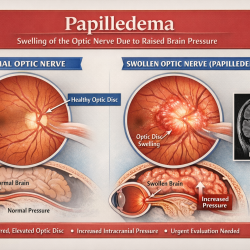
Papilledema is swelling of the optic nerve caused by increased pressure inside the brain. It can signal serious conditions like…
Tag: patient information
Women’s Eye Health
Women’s eye health is influenced by hormonal changes, life stages, and systemic conditions, making early and regular eye care especially important. Many vision issues in women are subtle at first but can affect long-term eye health if not recognised early.
Women’s eye health is not generic eye care. Women face higher rates of dry eye, autoimmune eye disease, and glaucoma than men. Hormonal shifts across puberty, pregnancy, and menopause directly affect the eyes. Longer life expectancy increases lifetime exposure to conditions like glaucoma and AMD. And women’s eye symptoms are frequently subtle, fluctuating, and dismissed – sometimes even by doctors.
If you are looking for a women’s eye health specialist in Gurgaon, this page explains what matters, which symptoms to take seriously, and when to seek evaluation.
Dr Shibal Bhartiya is a fellowship-trained glaucoma specialist and Mayo Clinic Research Collaborator with over 25 years of experience. Her approach focuses on identifying risk before damage is irreversible, simplifying treatment decisions, and protecting vision long-term. Emphasis on early detection, risk assessment, and continuity of care. She is rated 5 stars across 1,500+ patient reviews on Google.
Eye Problems Are More Common in Women
Women have higher rates of dry eye disease, autoimmune disorders, and glaucoma than men. Hormonal fluctuations span decades. Longer life expectancy increases exposure to glaucoma and AMD. And women carry higher caregiving loads, which often means delaying their own care.
Eye symptoms in women are frequently fluctuating, subtle, and normalised when they should not be. Early patterns matter. Dismissing them has a cost.
1. Hormonal Dry Eye in Women
Hormonal shifts affect the eyes by reducing tear production, altering meibomian gland oil secretion, and driving ocular surface inflammation. Dry eye often worsens during perimenopause, menopause, pregnancy, the postpartum period, and thyroid dysfunction.
Common symptoms include blurred or fluctuating vision, a burning or gritty sensation, reading fatigue, increased screen discomfort, and vision that feels fine in the morning but deteriorates by evening.
Dry eye in women is often chronic, not temporary irritation. Untreated meibomian gland dysfunction can become structurally progressive. Early structured treatment protects long-term comfort and clarity.
2. Autoimmune Eye Disease in Women
Women are significantly more likely to develop autoimmune conditions that affect the eyes. These include Sjogren’s syndrome, lupus, rheumatoid arthritis, and thyroid eye disease. Eye symptoms may appear before a full systemic diagnosis is made.
Warning signs include severe or disproportionate dryness, redness not responding to routine drops, double vision, light sensitivity, and sudden visual fluctuation. Eye findings can sometimes be the first clue to underlying systemic disease. Care requires coordination, not symptomatic patchwork.
3. Pregnancy and Vision Changes
During pregnancy, women may experience temporary blurred vision, contact lens intolerance, dryness, and changes in migraine aura. Most changes are mild and reversible after delivery.
However, sudden or severe vision changes in pregnancy may indicate blood pressure elevation, neurological involvement, or optic nerve swelling. New visual symptoms in pregnancy should never be ignored. If in doubt, seek evaluation the same day.
4. Migraine With Visual Aura in Women
Women experience migraine with visual aura more commonly than men. Visual aura may include zig-zag lines, flashing lights, temporary blind spots, or partial field dimming. Typical migraine aura lasts 20 to 40 minutes and resolves completely.
Red flags that require urgent evaluation include a first episode after age 40, aura lasting longer than an hour, aura without headache, one-sided persistent visual loss, or associated weakness and speech change. These features can indicate retinal or neurological causes that require assessment beyond routine migraine management.
5. Glaucoma Risk in Women
Women live longer, which increases lifetime exposure to glaucoma risk. Normal eye pressure does not exclude glaucoma. A vision of 6/6 does not guarantee visual safety. Early glaucoma damage has no symptoms. And routine eye exams may miss subtle structural change if the optic nerve is not examined carefully.
Risk factors in women include family history, high myopia, migraine, diabetes, autoimmune disease, and steroid exposure. Glaucoma is easier to stabilise early than to repair late. Longitudinal follow-up matters more than isolated visits.
When Should You See a Women’s Eye Health Specialist?
Seek evaluation if you experience persistent dryness despite using drops, fluctuating or tiring vision, new double vision, a change in your migraine pattern, sudden visual disturbance during pregnancy, a strong family history of glaucoma, or unexplained visual field loss.
Subtle symptoms deserve structured evaluation, not dismissal. Book a second opinion if you feel you do not understand what is happening with your vision or your eyes.
Approach to Women’s Eye Health
Every consultation begins with a detailed history that includes hormonal and systemic context. Risk stratification guides the frequency and depth of follow-up. The goal is early detection, avoiding both minimisation and overtreatment, and long-term monitoring tailored to each woman’s visual risk profile.
Frequently Asked Questions About Women’s Eye Health
Why are eye problems more common in women?
Women experience hormonal fluctuations across puberty, pregnancy, and menopause that directly affect tear production, the ocular surface, and eye pressure. They also have higher rates of autoimmune conditions that affect the eyes. Longer life expectancy increases lifetime exposure to glaucoma, AMD, and cataract.
Can menopause worsen dry eye?
Yes. The drop in oestrogen at menopause reduces tear production and alters the quality of the tear film. Meibomian gland function, which produces the oily layer of the tear film, also declines. Many women notice a significant worsening of dry eye symptoms during perimenopause and after menopause.
Is fluctuating vision a sign of dry eye?
Often yes. When the tear film is unstable, vision becomes blurred or variable: typically worsening through the day or with prolonged screen use, and clearing briefly after blinking. This pattern is characteristic of dry eye disease rather than a refractive problem.
When should migraine aura be evaluated by an eye doctor?
Any new visual aura, aura lasting more than an hour, aura without headache, or aura accompanied by weakness, speech changes, or sudden persistent visual loss should be evaluated promptly. These features can indicate retinal or neurological causes that require urgent assessment.
Are women at higher risk of glaucoma?
Women have a higher overall prevalence of glaucoma than men, partly due to longer life expectancy and partly because narrow-angle glaucoma, which carries a risk of sudden acute attacks, is significantly more common in women, particularly in Indian populations. Regular eye examinations including optic nerve assessment are essential for women with any risk factors.
This page is part of the Women’ Eye Health Hub, which also discusses menopause related changes in detail. Please also read Menopause and Eye Health, Menopause and Dry Eyes, Myopia in Teenagers, Why Women Get Dry Eyes, Women’s Eye Health, PCOD and Eye Symptoms, and Why Women Neglect Their Eye Health.
About the Author
This article was written by Dr Shibal Bhartiya, fellowship-trained glaucoma specialist and Mayo Clinic Research Collaborator, Clinical Director at Marengo Asia Hospitals, Gurugram, known for ethical, patient-centred glaucoma care and independent glaucoma second opinions. She is also the Program Director for Community Outreach & Wellness; and for the Marengo Asia International Institute of Neuro and Spine.
She has published peer-reviewed research on glaucoma management, examining how treatment decisions should balance medical evidence, patient preferences, and long-term vision outcomes.
As Editor-in-Chief of Clinical and Experimental Vision and Eye Research and Executive Editor of the Journal of Current Glaucoma Practice (Pubmed Indexed, official journal of the International Society of Glaucoma Surgery), Dr Shibal Bhartiya brings editorial and research depth to every clinical decision. Her 200+ publications, including 90+ PubMed-indexed publications and 28 edited textbooks span glaucoma biology, surgical outcomes, health equity, and emerging diagnostics.
1500+ Five Star Patient Reviews Google Business Profile
If you are unable to come to Dr Bhartiya’s clinic: Read more about teleconsultation
Read her research on PubMed | Google Scholar | ResearchGate | ORCID
Upload your reports for a structured review.| www.drshibalbhartiya.com | +91 88826 38735
Leave a review on Google

Should I Start Glaucoma Eyedrops?
Starting glaucoma eyedrops depends on your eye pressure, optic nerve risk, and likelihood of progression, and not just a single…

Remember Eyedrops: Tips and Tricks
Today, we’re going to tackle a common challenge faced by many eye drop users—remembering to put in those precious eyedrops! Don’t worry, we’ve got some eye-opening tips and tricks to help you remember your eyedrops. So, read on…

When you Google Glaucoma (or any other disease, for that matter)
This is the Industrial Revolution 4.0, everything and every information available out there is available at the click of a…