
Pink eye, or conjunctivitis, is a common and often contagious eye condition. This guide will help you understand how to manage pink eye.
Tag: allergic conjunctivitis
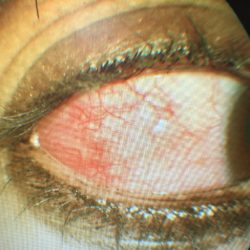
Conjunctivitis: Causes and Types
The conjunctiva is the transparent mucous membrane that lines the outer surface of the eye and the inner surface of…
Conjunctivitis (Pink Eye): Symptoms, Causes, and Treatment
Conjunctivitis is an inflammation of the conjunctiva — the thin, transparent membrane that covers the white of the eye and lines the inner eyelids. It is one of the most common eye conditions seen in all age groups, from infants to older adults.
Most people know it as pink eye or eye flu. The eye looks red or pink because the blood vessels in the conjunctiva dilate during inflammation.
Conjunctivitis is not usually dangerous. But it is uncomfortable, often contagious, and sometimes confused with other eye conditions that need urgent attention.
Dr Shibal Bhartiya is a fellowship-trained glaucoma specialist and Mayo Clinic Research Collaborator with over 25 years of experience. Her approach focuses on identifying risk before damage is irreversible, simplifying treatment decisions, and protecting vision long-term. Emphasis on early detection, risk assessment, and continuity of care. She is rated 5 stars across 1,500+ patient reviews on Google.
Types of Conjunctivitis
Conjunctivitis is not one condition. The cause determines the treatment.
Viral conjunctivitis is the most common type. It spreads easily from person to person and is often associated with a cold or upper respiratory infection. It usually resolves on its own within one to two weeks.
Bacterial conjunctivitis causes a sticky yellow or green discharge. It responds to antibiotic eye drops. Without treatment, it can persist and occasionally spread to the cornea.
Allergic conjunctivitis is not infective and not contagious. It is triggered by dust, pollen, pet dander, or other allergens, and can cause intense itching. It is often seasonal. You can read more about it on the eye allergy page.
Chemical or irritant conjunctivitis results from exposure to chlorine, smoke, fumes, or foreign bodies. It is not contagious and resolves once the irritant is removed.
Symptoms of Conjunctivitis
Symptoms vary slightly by cause but the common features include:
- Redness of one or both eyes
- Watering or discharge
- Gritty or sandy feeling in the eye
- Swelling of the eyelids or conjunctiva
- Sticky eyelids on waking, especially with bacterial infection
- Transient blurring of vision
- Intense itching, more common in allergic conjunctivitis
When to See a Doctor Immediately
Most conjunctivitis is mild. But some symptoms need prompt attention:
- Severe pain in the eye
- Significant reduction in vision that does not clear with blinking
- Intense sensitivity to light
- Symptoms that worsen rapidly or do not improve after a week
- Conjunctivitis in a newborn
These symptoms may point to a more serious condition such as corneal involvement, uveitis, or acute glaucoma — all of which need urgent evaluation.
Management of Conjunctivitis
Treatment depends on the cause.
For viral conjunctivitis, antibiotics are not effective. Treatment focuses on comfort — preservative-free lubricating eye drops reduce irritation, and cold compresses ease swelling. Most cases resolve within 7 to 14 days.
For bacterial conjunctivitis, your doctor will prescribe antibiotic eye drops or ointment. Complete the full course even if symptoms improve early.
For allergic conjunctivitis, antihistamine eye drops and avoidance of triggers form the core of treatment. Anti-inflammatory drops help in more severe cases.
In some situations — particularly in diabetic or immunocompromised patients — a doctor may prescribe a broad-spectrum antibiotic even for a viral infection to prevent secondary bacterial infection.
How to Limit the Spread
Viral and bacterial conjunctivitis spread through direct and indirect contact. These steps reduce transmission:
- Wash hands frequently, especially after touching the eyes
- Do not touch or rub the infected eye
- Do not share towels, pillowcases, or eye makeup
- Avoid contact lenses until your doctor confirms it is safe to resume
- Stay away from school or work if discharge is heavy — particularly in children
A Note on Self-Treatment
Many patients use over-the-counter antibiotic or steroid drops without a prescription. This is not advisable. Steroid drops used without examination can worsen viral infections and occasionally trigger serious complications including raised eye pressure and glaucoma. Always have a comprehensive eye examination before starting any treatment.
Frequently Asked Questions- Conjunctivitis (Pink Eye)
Is conjunctivitis contagious?
Viral and bacterial conjunctivitis can spread through:
• Hand contact
• Towels
• Cosmetics
• Eye rubbing
• Close contact environments like schools and offices
Allergic conjunctivitis is not contagious.
Good hygiene significantly reduces transmission risk.
What is the treatment for conjunctivitis?
Treatment depends on the cause:
• Viral conjunctivitis → lubrication and hygiene
• Bacterial conjunctivitis → antibiotic drops when indicated
• Allergic conjunctivitis → anti-allergy medication, low dose steroids depending on severity
• Dry eye related redness → tear film stabilisation
Steroid eye drops should never be used without ophthalmologist supervision because they can worsen infections and may trigger glaucoma in susceptible individuals.
How long does conjunctivitis take to recover?
Recovery depends on cause:
• Viral conjunctivitis: 7–14 days
• Bacterial conjunctivitis: 5–10 days
• Allergic conjunctivitis: depends on allergen control
If symptoms persist beyond expected timelines, further evaluation may be needed to rule out masqueraders.
When should I see an eye specialist urgently?
Seek urgent consultation if you have:
• Reduced vision
• Severe eye pain
• Light sensitivity
• Recurrent episodes
• No improvement after 3–5 days
• History of glaucoma
• Contact lens use with redness
These may indicate conditions more serious than conjunctivitis.
Can conjunctivitis affect vision permanently?
Most cases recover fully. However delayed diagnosis, inappropriate steroid use, or missed alternative diagnoses may rarely cause complications.
Early diagnosis helps prevent unnecessary risk.
How do ophthalmologists differentiate conjunctivitis from more serious causes of red eye?
Clinical examination typically includes:
• Visual acuity testing
• Slit lamp examination
• Corneal evaluation
• Anterior chamber assessment
• Eye pressure measurement when needed
• Risk stratification based on symptoms
The key clinical question is often not just how to treat redness, but whether this is truly conjunctivitis or something more serious.
How can conjunctivitis be prevented?
Prevention strategies include:
• Hand hygiene
• Avoid eye rubbing
• Avoid sharing towels
• Replace eye cosmetics after infection
• Proper contact lens care
• Early consultation if symptoms worsen
Preventive eye care remains the most effective strategy to avoid complications.
Is pink eye the same as conjunctivitis?
Yes. Pink eye is the common name for infective conjunctivitis. The term refers to the characteristic redness caused by dilated surface blood vessels.
Can steroid eye drops treat conjunctivitis?
Steroid drops should only be prescribed by an eye doctor after examination. Used incorrectly, steroids can worsen viral conjunctivitis, delay healing, and raise eye pressure — increasing the risk of glaucoma.
How is conjunctivitis different from dry eye or allergy?
All three cause red, uncomfortable eyes. Dry eye causes burning and grittiness, worse with screen use. Allergy causes intense itching, often with sneezing. Infective conjunctivitis typically causes discharge and may affect one eye first. An eye examination is the reliable way to distinguish them.
Read the research articles
This article was written by Dr Shibal Bhartiya, fellowship-trained glaucoma specialist and Mayo Clinic Research Collaborator, Clinical Director at Marengo Asia Hospitals, Gurugram, known for ethical, patient-centred glaucoma care and independent glaucoma second opinions.
She has published peer-reviewed research on eye care, examining how treatment decisions should balance medical evidence, patient preferences, and long-term vision outcomes.
As Editor-in-Chief of Clinical and Experimental Vision and Eye Research and Executive Editor of the Journal of Current Glaucoma Practice (Pubmed Indexed, official journal of the International Society of Glaucoma Surgery), Dr Shibal Bhartiya brings editorial and research depth to every clinical decision. Her 200+ publications, including 90+ PubMed-indexed publications and 28 edited textbooks span glaucoma biology, surgical outcomes, health equity, and emerging diagnostics.
Her work can be accessed on Pubmed, Google Scholar, ResearchGate and ORCID.
Dr Shibal Bhartiya
Glaucoma • Second Opinion • Advanced Care
www.drshibalbhartiya.com
+91 88826 38735
Patient reviews Google Business Profile
Eye Allergy: Causes, Symptoms, and Treatment
Eye allergies are extremely common in Gurgaon. Dust, pollution, pollen, and air conditioning; often all in the same day; make allergic eye disease one of the most frequent complaints I see in my clinic. It is a disease of the ocular surface, and invariably associated with dry eyes.
The medical term is allergic conjunctivitis. It means the conjunctiva, the thin transparent membrane covering the white of your eye, has reacted to an allergen. The result is redness, itching, watering, and swelling. It is not contagious. You cannot catch it from someone else, and they cannot catch it from you.
Dr Shibal Bhartiya is a fellowship-trained eye specialist and Mayo Clinic Research Collaborator with over 25 years of experience. Her approach focuses on identifying risk before damage is irreversible, simplifying treatment decisions, and protecting vision long-term. Emphasis on early detection, risk assessment, and continuity of care. She is rated 5 stars across 1,500+ patient reviews on Google.
What Causes Eye Allergies?
The most common trigger in Gurgaon is airborne. This includes dust, vehicle exhaust, construction dust, and pollen from seasonal plants. These particles land on the surface of the eye and set off an immune response. Your immune system treats them as a threat. Mast cells in the conjunctiva release histamine. That histamine is what causes the itching, redness, and watering.
Common causes include:
Seasonal triggers. Pollen from grasses, trees, and weeds. In Delhi-NCR, spring and the post-monsoon transition are the worst periods. Mould spores during the monsoon also cause flares.
Perennial triggers. Dust mites, pet dander, cockroach allergens, and smoke. These cause low-grade symptoms all year round. Air conditioning, paradoxically, can help by filtering air, but poorly maintained AC units recirculate allergens.
Contact triggers. Eye makeup, contact lens solutions, preservatives in eye drops, and certain skin creams that migrate toward the eyes. These cause localised reactions that patients often mistake for infections.
Vernal keratoconjunctivitis. A more severe, chronic form seen mainly in young boys in hot climates. It causes intense itching, a ropy mucus discharge, and large cobblestone-like bumps under the upper eyelid. It needs specialist attention because it can affect the cornea.
What Are the Symptoms of Eye Allergy?
The most reliable sign is intense itching. If your eyes itch, think allergy first. Infections hurt; allergies itch.
Other symptoms include:
- Redness of the white of the eye
- Watering and tearing
- Swelling of the eyelids, especially on waking
- A burning or gritty feeling
- Sensitivity to light
- Ropy or stringy mucus discharge (more common in vernal keratoconjunctivitis)
- Temporary blurring of vision when mucus is present
Itching that gets worse when you rub your eyes. Rubbing your eyes makes the itch worse, this is a classic pattern. Rubbing releases more histamine and creates a cycle. Resist the urge. Rubbing hard and repeatedly can, over time, contribute to a corneal condition called keratoconus.
Eye Allergy vs Conjunctivitis: How to Tell the Difference
Both cause red, watery eyes. The key differences are:
| Eye Allergy | Infective Conjunctivitis | |
|---|---|---|
| Itching | Intense | Mild or absent |
| Discharge | Watery or ropy | Sticky, yellow or green pus |
| Both eyes affected | Usually | Often starts in one eye |
| Contagious | No | Often yes |
| Associated with cold or fever | Rarely | Sometimes |
If you are unsure, see your doctor before starting any eye drops. Steroid drops, which are appropriate for some allergy cases, can cause serious harm if used for an infection. Steroid eyedrops should only be taken when prescribed by your doctor.
Treatment of Eye Allergy
Avoid the trigger first
Identifying and removing the cause is the most effective treatment. This is not always possible, but some steps help consistently:
- Use wrap-around sunglasses outdoors. They reduce pollen and dust reaching the eye by a significant margin.
- Keep windows closed during high-pollen periods. Use air purifiers indoors.
- Change pillowcases frequently. Dust mites live in bedding.
- Remove eye makeup before sleeping and review your makeup products if symptoms started around the same time you changed brands.
- Cold compresses, a clean cotton pad soaked in cold water held over the closed eyes, reduce swelling and soothe itching quickly.
Medical treatment
Preservative-free lubricating eye drops (artificial tears) dilute allergens and flush them off the eye surface. They also ease dryness. These are safe to use frequently and are usually the first step.
Antihistamine eye drops block the histamine response and give faster symptom relief. They reduce redness and itching. Many are available over the counter, but prescription-strength options work better for moderate to severe cases.
Mast cell stabiliser eye drops work differently — they prevent mast cells from releasing histamine in the first place. They need to be started before allergy season begins and used consistently. They are not effective for acute relief, but they reduce the overall severity of the season.
Combination drops that contain both an antihistamine and a mast cell stabiliser are now available and are often the most practical option for patients with seasonal disease.
NSAID eye drops (non-steroidal anti-inflammatory agents) reduce inflammation and ease discomfort without the risks associated with steroids.
Steroid eye drops are reserved for severe cases that do not respond to other treatments. They are effective but carry real risks, elevated eye pressure, cataract formation, and susceptibility to infection- with prolonged use. They must be used only under medical supervision, with regular monitoring of eye pressure. Do not buy them over the counter.
Oral antihistamine tablets can help when symptoms include nasal congestion or skin symptoms alongside eye symptoms, suggesting a more generalised allergic response.
The Glaucoma and Steroid Drops Warning
This is worth saying directly. Steroid eye drops, even short courses, can raise intraocular pressure in susceptible individuals. If you have glaucoma, a family history of glaucoma, or have previously been told you have high eye pressure, you must tell your doctor before starting any steroid drops. Steroid-induced glaucoma is preventable, but only if your doctor knows your risk.
When Should You See a Doctor?
Most mild eye allergies can be managed with lubricating drops and allergen avoidance. See your doctor if:
- Symptoms are not improving after a few days of self-care
- There is significant pain, not just itching
- Vision is affected
- The discharge is thick and yellow or green
- Symptoms are in a child who is rubbing their eyes excessively
- You have been using steroid drops bought from a pharmacy for more than two weeks
A Note on Eye Rubbing and Children
Children with eye allergies rub their eyes constantly. Parents often interpret this as infection and reach for antibiotic drops — which do nothing for allergies. The more important risk is corneal damage from chronic rubbing. If your child’s eyes itch repeatedly during certain seasons, have them seen by an ophthalmologist. A diagnosis of allergic conjunctivitis in a child also warrants a check for refractive error — children with uncorrected vision sometimes rub their eyes for reasons unrelated to allergy, and the two can coexist.
FAQs: Eye Allergy
What is eye allergy and what causes it?
Eye allergy, also called allergic conjunctivitis, occurs when the eyes react to an allergen such as dust, pollen, smoke, pet hair, or cosmetic products. The immune system triggers inflammation of the conjunctiva, causing redness, itching, swelling, and watering.
What are the symptoms of eye allergy?
Symptoms include intense itching, redness, watering, swelling of the eyelids and conjunctiva, a burning or gritty sensation, and sensitivity to light. Unlike infective conjunctivitis, discharge is usually clear and watery rather than thick or coloured.
What is the difference between seasonal and perennial eye allergy?
Seasonal allergic conjunctivitis occurs at specific times of year, typically triggered by pollen or mould spores. Perennial allergic conjunctivitis is present throughout the year and is usually triggered by dust mites, pet hair, smoke, or indoor pollutants.
Is eye allergy contagious?
No. Allergic conjunctivitis is not contagious and does not spread from person to person. This distinguishes it from viral or bacterial conjunctivitis, which can spread through direct or indirect contact.
How do I know if my red itchy eye is allergy or infection?
Allergy usually causes intense itching, clear watery discharge, and symptoms in both eyes. Infection more commonly causes thick coloured discharge, one eye affected first, and may be associated with recent contact with an infected person. A doctor can confirm the cause on examination.
Can dust and pollution in Gurgaon make eye allergy worse?
Yes. High ambient dust and pollution levels in Gurgaon and the Delhi-NCR region are common triggers for perennial allergic conjunctivitis. Seasonal pollen from trees and grass adds to the burden during spring and monsoon months. Wearing wrap-around sunglasses outdoors and using preservative-free lubricant drops after outdoor exposure can help reduce the allergen load on the eye surface.
What eye drops are used to treat eye allergy?
Treatment depends on severity. Preservative-free lubricant drops reduce allergen load and improve comfort. Antihistamine drops reduce redness and the allergic response. Mast cell stabiliser drops provide longer-term protection, especially for seasonal and perennial allergy. NSAID drops reduce inflammation. Steroid drops are reserved for severe cases not responding to other treatment and must be used under medical supervision.
Are steroid eye drops safe for eye allergy?
Steroid drops are effective for severe allergic eye disease but carry risks with prolonged use, including raised eye pressure and cataract. They must only be used under the supervision of an eye doctor and are not a first-line treatment.
Can rubbing the eyes during an allergy attack cause long-term damage?
Yes. Repeated vigorous eye rubbing during allergic episodes is associated with keratoconus — a progressive thinning and forward bulging of the cornea. Cold compresses and antihistamine drops are safer ways to relieve the itching urge.
When should I see an eye doctor for eye allergy?
See an eye doctor if symptoms are severe, persistent, or affecting vision; if there is significant eyelid swelling; if antihistamine drops are not helping; or if you are unsure whether the cause is allergy or infection. Steroid drops should only be started after a proper examination.
Read the research articles
This article was written by Dr Shibal Bhartiya, fellowship-trained glaucoma specialist and Mayo Clinic Research Collaborator, Clinical Director at Marengo Asia Hospitals, Gurugram, known for ethical, patient-centred glaucoma care and independent glaucoma second opinions.
She has published peer-reviewed research on eye care, examining how treatment decisions should balance medical evidence, patient preferences, and long-term vision outcomes.
As Editor-in-Chief of Clinical and Experimental Vision and Eye Research and Executive Editor of the Journal of Current Glaucoma Practice (Pubmed Indexed, official journal of the International Society of Glaucoma Surgery), Dr Shibal Bhartiya brings editorial and research depth to every clinical decision. Her 200+ publications, including 90+ PubMed-indexed publications and 28 edited textbooks span glaucoma biology, surgical outcomes, health equity, and emerging diagnostics.
Her work can be accessed on Pubmed, Google Scholar, ResearchGate and ORCID.
Dr Shibal Bhartiya
Glaucoma • Second Opinion • Advanced Care
www.drshibalbhartiya.com
+91 88826 38735
Patient reviews Google Business Profile