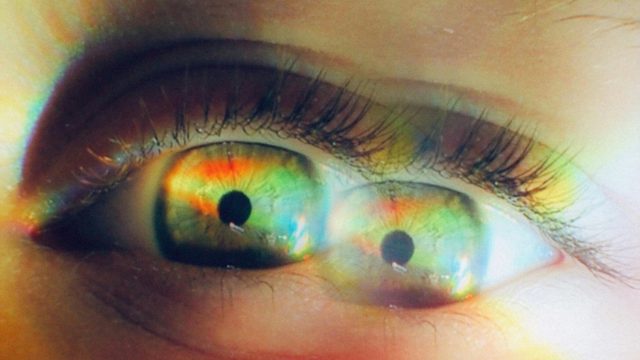
Diplopia (double vision) is when a person sees two images of a single object. Double vision that disappears when one eye is closed is a neurological warning until proven otherwise. It needs prompt, careful evaluation, not a “wait and see” approach.
Dr Bhartiya explains what diplopia is, why the monocular vs binocular distinction matters most, and when you should not wait.
Dr Shibal Bhartiya is a fellowship-trained glaucoma specialistand Mayo Clinic Research Collaborator with over 25 years of experience. She is also Program Director at Marengo Asia International Institute of Neuro and Spine, Gurugram. Her approach focuses on identifying risk before damageis irreversible, simplifying treatment decisions, and protecting vision long-term. Emphasis on early detection, risk assessment, and continuity of care. She is rated 5 stars across 1,500+ patient reviews on Google.
What is diplopia?
Diplopia means seeing two images of a single object. It can be horizontal, vertical, diagonal, constant, or intermittent. What matters most is whether it is coming from the eye itself, or from the brain’s failure to align two eyes.
Diplopia is rarely “just irritation.” It is a failure of coordination between the eyes, the eye muscles, the nerves controlling those muscles, and the brain centres integrating vision.
The most important distinction (often missed)
1. Monocular diplopia
Double vision persists even when one eye is closed.
Common causes:
- corneal irregularity
- cataract
- refractive error
- dry eye
➡️ Usually ocular, not neurological.
2. Binocular diplopia
Double vision disappears when either eye is closed.
➡️ Always neurological until proven otherwise.
This is the category that needs urgent, thoughtful evaluation — even if:
- vision seems “otherwise fine”
- MRI reports elsewhere are “normal”
- symptoms are subtle or intermittent
Early, subtle symptoms patients often ignore
This is where systems fail.
Many patients do not say “I see double.”
They say:
- “Reading feels tiring”
- “I feel off balance in crowds”
- “I close one eye without realising”
- “My eyes feel strained by evening”
- “Driving at night feels harder”
- “I tilt my head slightly — it helps”
These are compensation strategies, not reassurance.
The brain is working harder to maintain single vision, until it can’t.
Common neurological causes of binocular diplopia
Not exhaustive, but clinically important:
- Cranial nerve palsies (III, IV, VI)
- Microvascular ischemia (diabetes, hypertension)
- Myasthenia gravis
- Thyroid eye disease
- Raised intracranial pressure
- Brainstem stroke
- Demyelinating disease
- Compressive lesions (tumours, aneurysms)
The danger is not rarity —
the danger is late recognition.
Why “normal scans” don’t always mean safety
Early neuro-ophthalmic disease can be functional before structural, intermittent, position-dependent or fatigue-related. A scan answers one question. Diplopia requires pattern recognition over time.
Diplopia is about alignment, not clarity
Patients often say but I can see clearly.
Which is true. You can see clearly, read 6/6, have a normal fundus, and still have dangerous misalignment. Diplopia is not about sharpness of vision. It is about coordination and safety.
Why early evaluation matters
Delayed diagnosis can lead to:
- permanent misalignment
- chronic neck pain (from head tilt)
- falls
- loss of driving confidence
- missed neurological disease
- irreversible nerve damage
Early diagnosis often allows:
- observation instead of intervention
- targeted investigations
- reversible treatment
- reassurance with evidence
What a proper evaluation includes
A meaningful neuro-ophthalmic assessment looks at:
- onset and progression (sudden vs gradual)
- variability (fatigue, time of day)
- associated symptoms (headache, ptosis, weakness)
- precise ocular motility testing
- pupil behaviour
- lid position
- alignment in different gazes
- correlation with systemic disease
This cannot be replaced by a scan alone.
When to seek urgent care
Seek prompt evaluation if diplopia:
- is sudden in onset
- is associated with headache, pain, drooping eyelid, or weakness
- is worsening
- affects driving or balance
- occurs in a patient with diabetes, hypertension, or cancer history
Waiting to “see if it settles” is often the wrong strategy.
The philosophy behind care
Diplopia is not just a symptom to suppress. Covering one eye may reduce discomfort, but it should never replace diagnosis.
Early, boring, careful assessment prevents unnecessary interventions and irreversible loss of function. Once the diagnosis is established, and the root cause ascertained, symptomatic treatment will keep you comfortable.
You can discuss your symptoms and concerns with your eye doctor, or with me. I am happy to review your history and investigations in person or online.
Frequently Asked Questions
Is double vision always a sign of something serious?
Binocular double vision (which goes away when one eye is closed) should always be evaluated urgently. Monocular double vision is usually an eye problem, not a neurological one.
Why does my double vision get worse in the evening?
Worsening diplopia with fatigue is a classic feature of myasthenia gravis and needs specialist evaluation.
Can double vision go away on its own?
Microvascular palsies (from diabetes or high blood pressure) can resolve over weeks to months. But this should be confirmed by a specialist, not assumed.
My MRI was normal. Does that mean my double vision is not serious?
Not necessarily. Early neuro-ophthalmic conditions can be functional before structural changes appear on scans. Pattern recognition over time matters more than a single scan.
When should I go to emergency for double vision?
Sudden onset double vision with headache, drooping eyelid, facial pain, weakness, or difficulty speaking needs emergency evaluation immediately.
Read the research articles
This article was written by Dr Shibal Bhartiya, fellowship-trained glaucoma specialist and Mayo Clinic Research Collaborator, Clinical Director at Marengo Asia Hospitals, Gurugram, known for ethical, patient-centred glaucoma care and independent glaucoma second opinions. She is also the Program Director for Community Outreach & Wellness; and for the Marengo Asia International Institute of Neuro and Spine. This article was updated in April 2026.
She has published peer-reviewed research on on neuro-ophthalmology and glaucoma management, examining how treatment decisions should balance medical evidence, patient preferences, and long-term vision outcomes.
As Editor-in-Chief of Clinical and Experimental Vision and Eye Research and Executive Editor of the Journal of Current Glaucoma Practice (Pubmed Indexed, official journal of the International Society of Glaucoma Surgery), Dr Shibal Bhartiya brings editorial and research depth to every clinical decision. Her 200+ publications, including 90+ PubMed-indexed publications and 28 edited textbooks span glaucoma biology, surgical outcomes, health equity, and emerging diagnostics.
Access her work on Pubmed, Google Scholar, ResearchGate and ORCID.
Dr Shibal Bhartiya
Glaucoma • Second Opinion • Advanced Care
www.drshibalbhartiya.com
+91 88826 38735
1500+ Five Star Patient Reviews Google Business Profile
Upload your reports for a structured review.
If you are unable to come to Dr Bhartiya’s clinic: Read more about teleconsultation