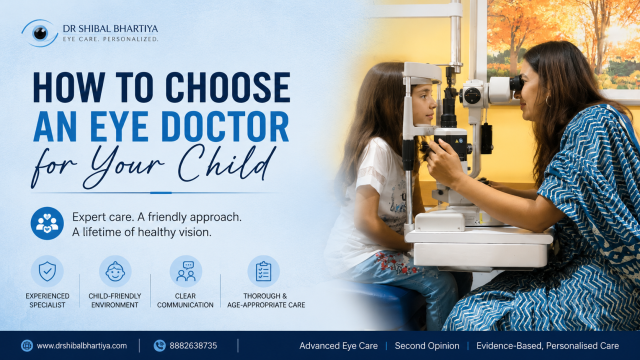
Choose an eye doctor who is experienced in examining children, uses age-appropriate testing methods, and creates a calm, reassuring environment where your child feels safe. A child-friendly eye examination should be thorough, unhurried, and focused on accurate diagnosis while making the experience positive for both the child and the parents.
Children need an ophthalmologist who understands how vision develops, knows how to examine babies, toddlers and teenagers using age-appropriate techniques, and has the patience to earn a child’s trust before beginning the examination.
A good children’s eye examination should never feel rushed. It should be accurate, gentle and designed to make both the child and the parents feel comfortable.
Looking for a an ethical, evidence-based children’s eye doctor in Gurgaon? Learn more about Children’s Eye Care in Gurgaon.
What Should Parents Look for in a Children’s Eye Doctor in Gurgaon?
When choosing an eye doctor for your child, look for someone who:
✔ Has experience examining children of different ages
✔ Makes children feel relaxed rather than frightened
✔ Uses child-friendly vision testing methods
✔ Takes time to explain findings clearly to parents
✔ Looks beyond glasses to assess eye alignment, focusing, visual development and eye health
✔ Is experienced in detecting conditions such as lazy eye (amblyopia), squint (strabismus), childhood myopia and congenital eye diseases
✔ Provides evidence-based advice rather than recommending unnecessary treatment
Why Families Trust Dr Shibal Bhartiya
⭐ 1,600+ five-star Google reviews
📚 200+ peer-reviewed publications
🏛 Advanced clinical & research training at AIIMS and the University of Geneva
🔬 Mayo Clinic Research Collaborator
👁️ 100,000+ patients from India and abroad, including 20,000+ children
Choosing an eye doctor for your child is about much more than finding someone who can prescribe glasses.
Parents want someone who understands children, takes time to earn their trust, explains things clearly, and provides advice that is based on experience and evidence—not guesswork.
After more than twenty-five years of caring for children, I have learned that no two children see the world in quite the same way. Some arrive excited, others anxious. Some chatter throughout the examination, while others hide behind a parent for the first few minutes. Every child deserves the same thing—a careful examination, patience, kindness and enough time to feel safe.
Children deserve to feel safe, heard and happy when they visit an eye doctor.
📍 Gurgaon 📞 +91 88826 38735 | 🌐 Contact Us | Second Opinion Form
Why Do I Enjoy Looking After Children?
People often ask me this question. The answer is surprisingly simple.
Children bring an energy that is impossible to describe until you’ve experienced it. They arrive with endless curiosity, wonderful chatter, unexpected questions, and a way of turning an ordinary clinic day into something joyful.
One child wants to know how the slit lamp works. Another asks whether I have examined a dinosaur. Someone else proudly tells me they can already read every letter on the vision chart.
Their curiosity is infectious.
Even after decades in ophthalmology, I still look forward to seeing children every day because no two consultations are ever the same.
Children Aren’t Just Small Adults
Examining a child’s eyes requires a different approach from examining an adult’s.
Young children often cannot explain what they are seeing. Many assume everyone sees the world exactly as they do. A child with significant long-sightedness, an eye turn, or reduced vision in one eye may never complain because they have nothing to compare it with.
That’s why a children’s eye examination is never simply about reading letters on a chart.
It involves assessing visual development, eye alignment, focusing, eye movements, depth perception and the health of the eyes using age-appropriate techniques that are both accurate and child-friendly.
Just as importantly, the examination has to adapt to the child—not the other way around.
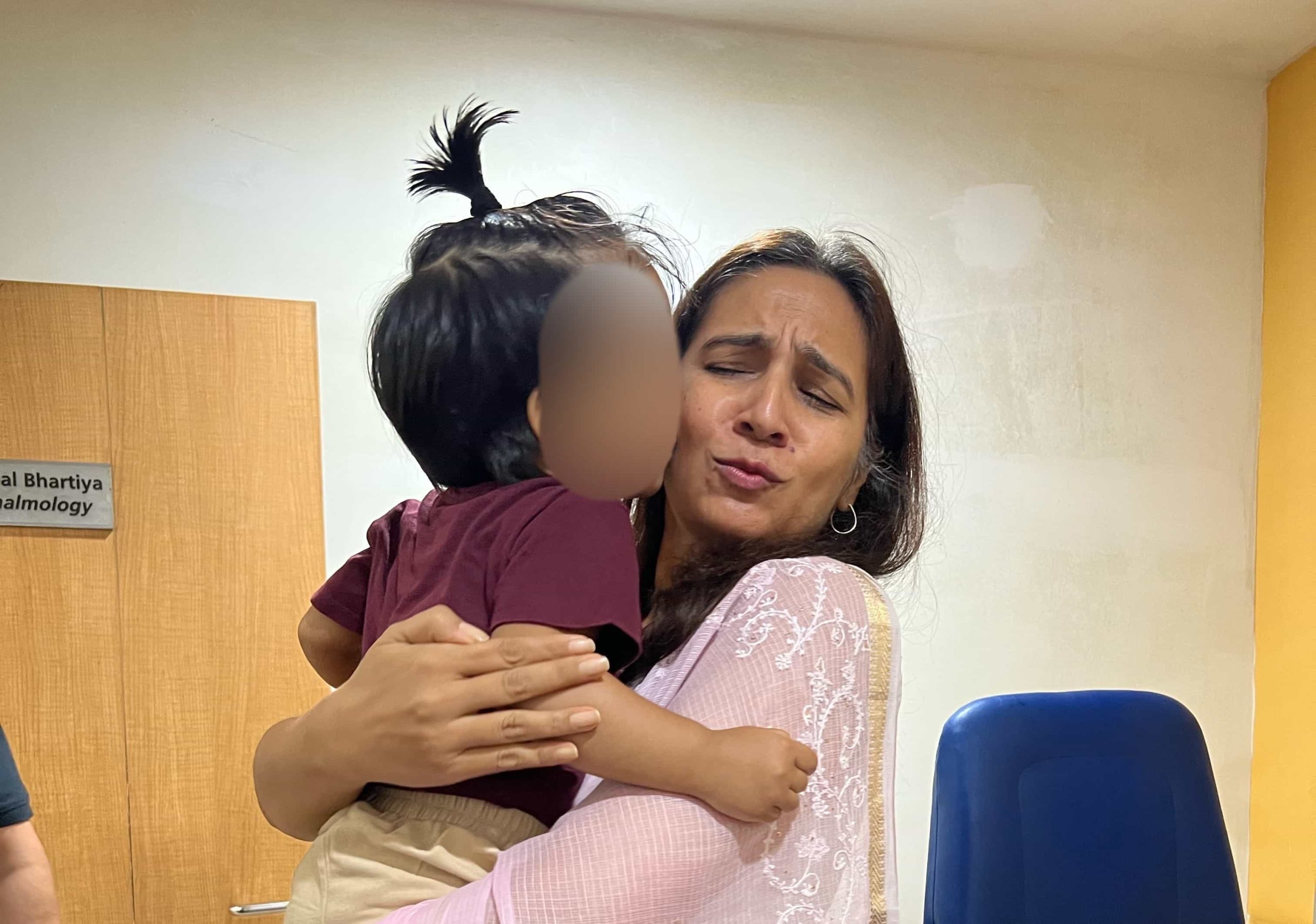
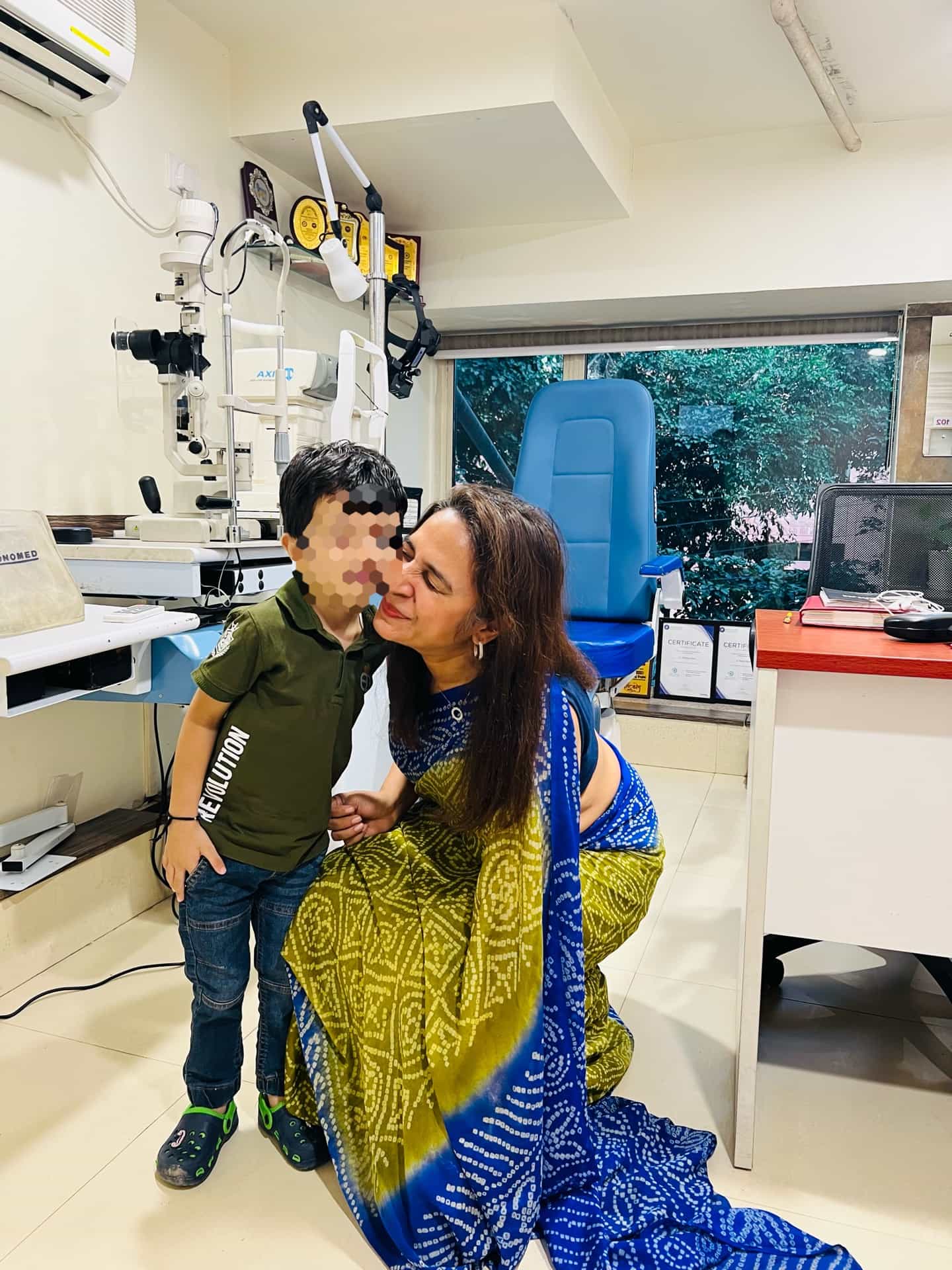
Sometimes we chat about school before we start. Sometimes it’s football, dance classes, pets or favourite cartoons. Those few extra minutes often transform an anxious child into a confident one, allowing for a more relaxed and accurate examination.
How I Help Children Feel Comfortable
One of my goals is that children should leave my clinic happier than when they arrived.
Parents often notice the candy drawer. All my children remember it well into their teens. The candy isn’t a reward for “good behaviour.”
It’s a celebration of courage.
Whether a child has sat patiently through eye drops, completed a detailed eye examination, or simply overcome the fear of visiting an eye doctor for the first time, they deserve to feel proud of themselves.
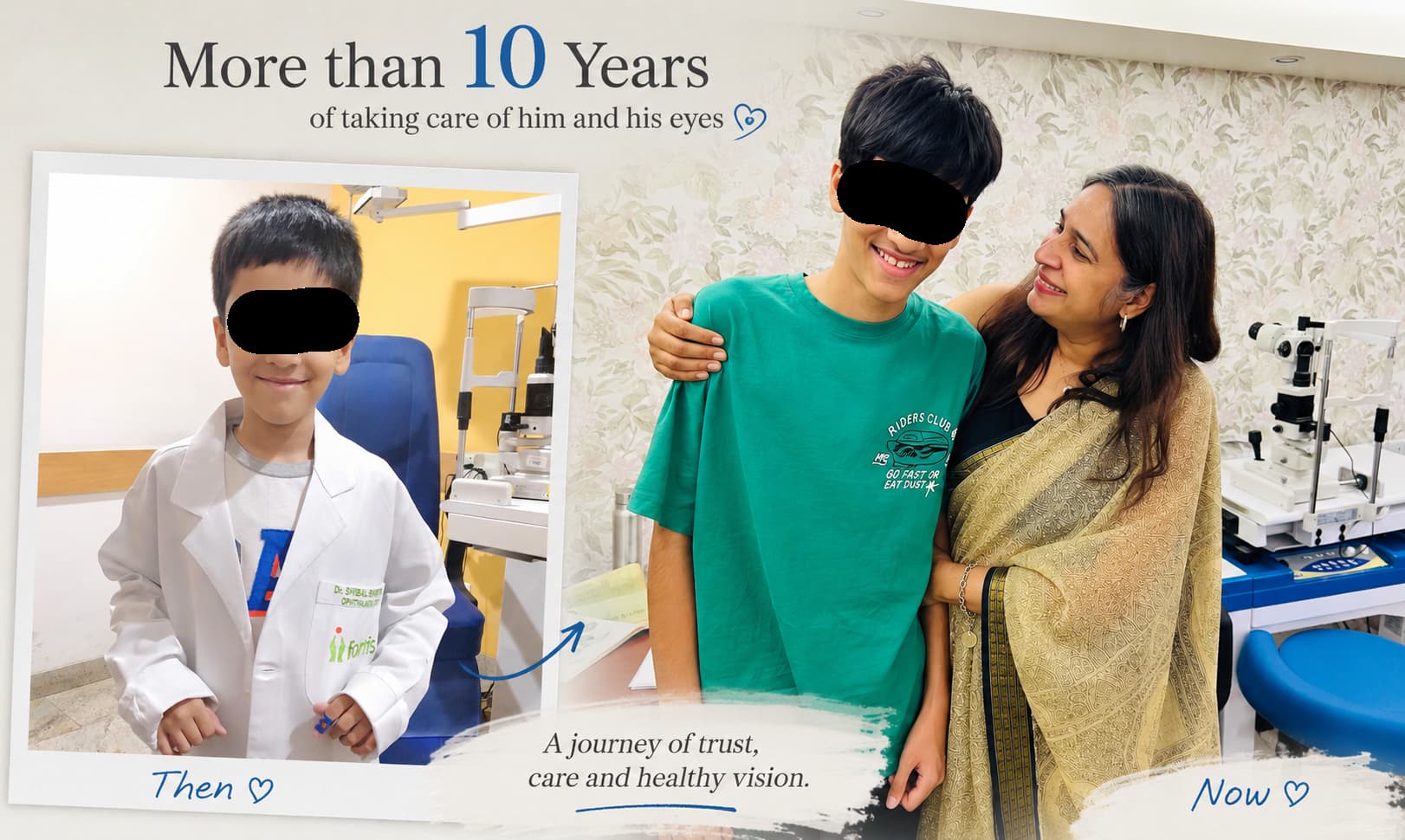
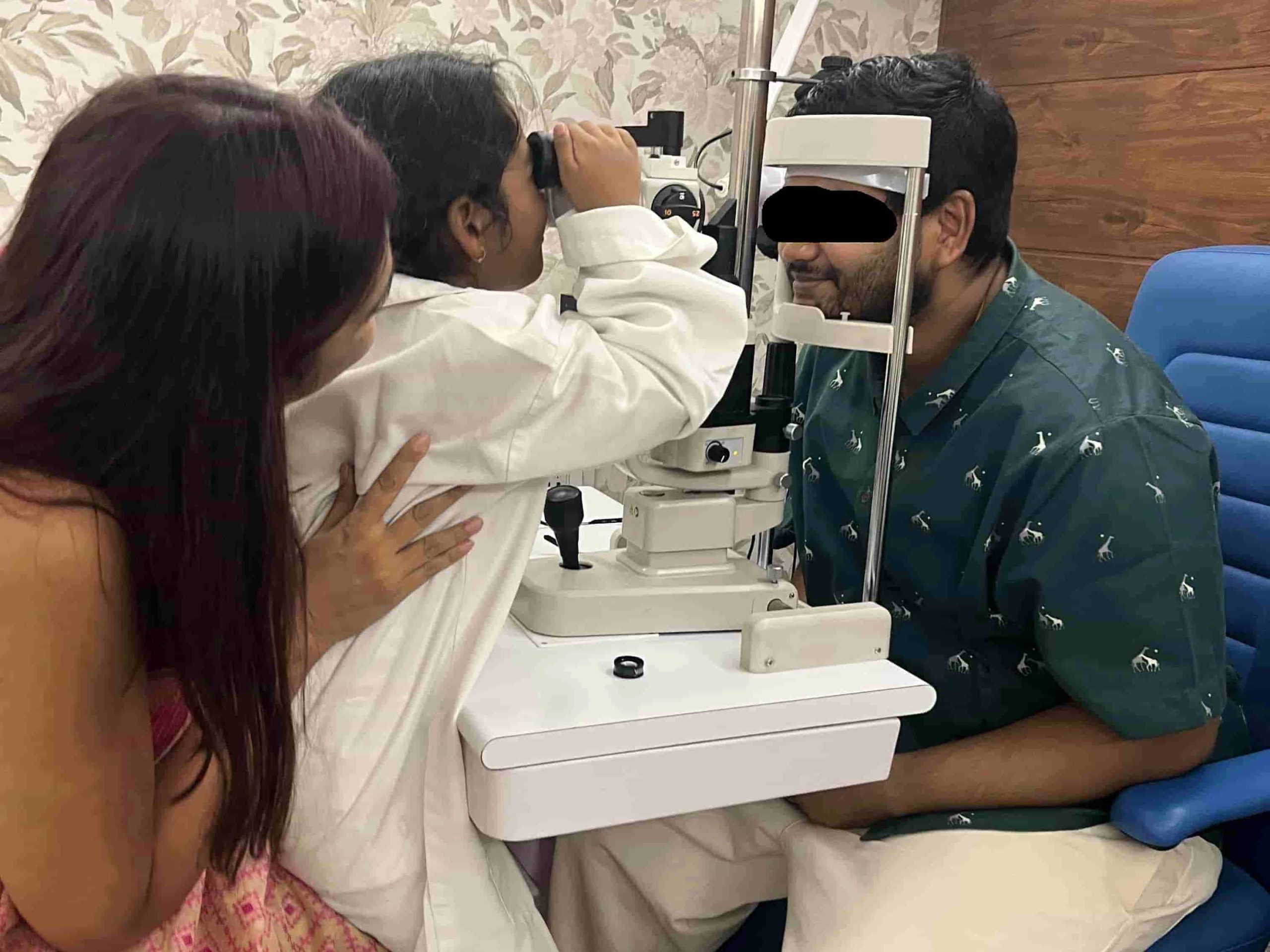
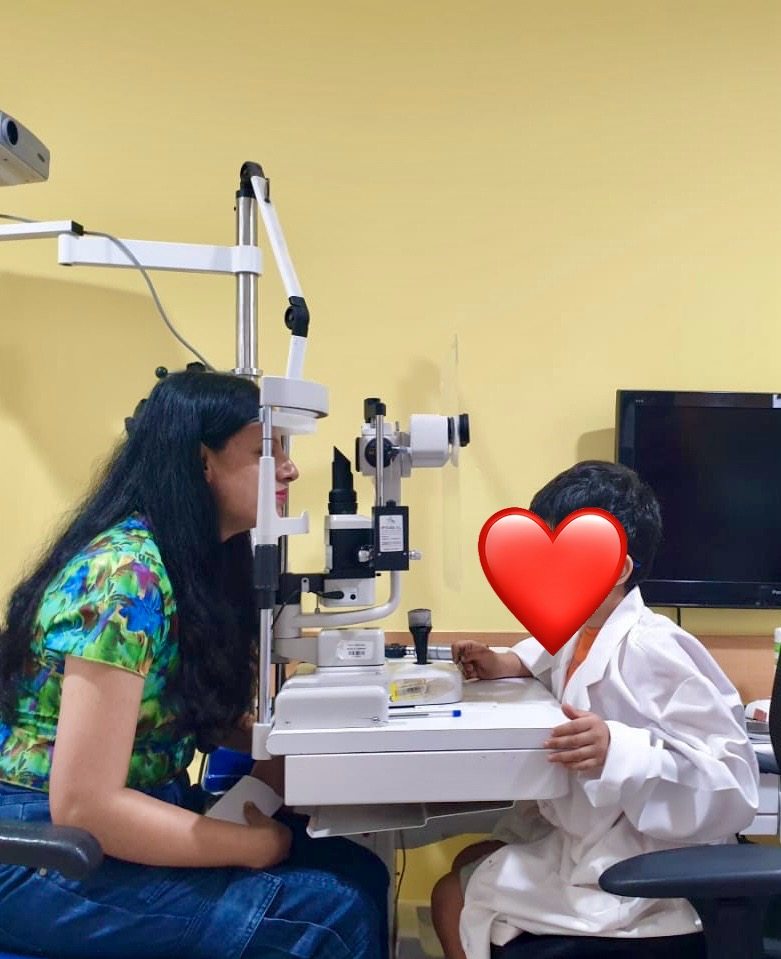
One of my favourite traditions is inviting children to wear my white coat and become the “doctor” for a few minutes. They examine their parents, peer through the instruments and confidently announce wonderfully imaginative diagnoses. Years later, several of those children returned as medical students and young doctors themselves.
Watching that journey has been one of the unexpected joys of my career.
Please also read How to Prepare Your Child for an Eye Exam.
Experience You Can Trust
Looking after children has been an important part of my clinical practice throughout my career.
My understanding of children’s eye health comes not only from clinical practice but also from community eye care. Through Vision Unlimited, the not-for-profit organisation I founded, our team has screened more than 20,000 children in schools and underserved communities. Seeing children in clinics, classrooms and communities has reinforced one important lesson: vision problems are common, but many are treatable when detected early.
These experiences have shown me that good vision should never depend on where a child lives, the school they attend, or their family’s circumstances.
Every child deserves the same careful examination and the same standard of care.
Evidence-Based Children’s Eye Care
Parents deserve advice they can trust.
As an ophthalmologist, researcher, textbook author and editor of peer-reviewed ophthalmology journals, I believe every recommendation should be guided by the best available scientific evidence while recognising that every child is unique.
Some children need glasses. Others need treatment for amblyopia (lazy eye) or strabismus (squint) or glaucoma.
Some need treatment for allergies or dry eyes. Many simply need reassurance that their eyes are developing normally.
Not every child needs treatment.
Every child deserves an accurate diagnosis, an unhurried examination, and honest advice.
Children Who Need Special Care
Every child deserves to be examined with patience, dignity and respect.
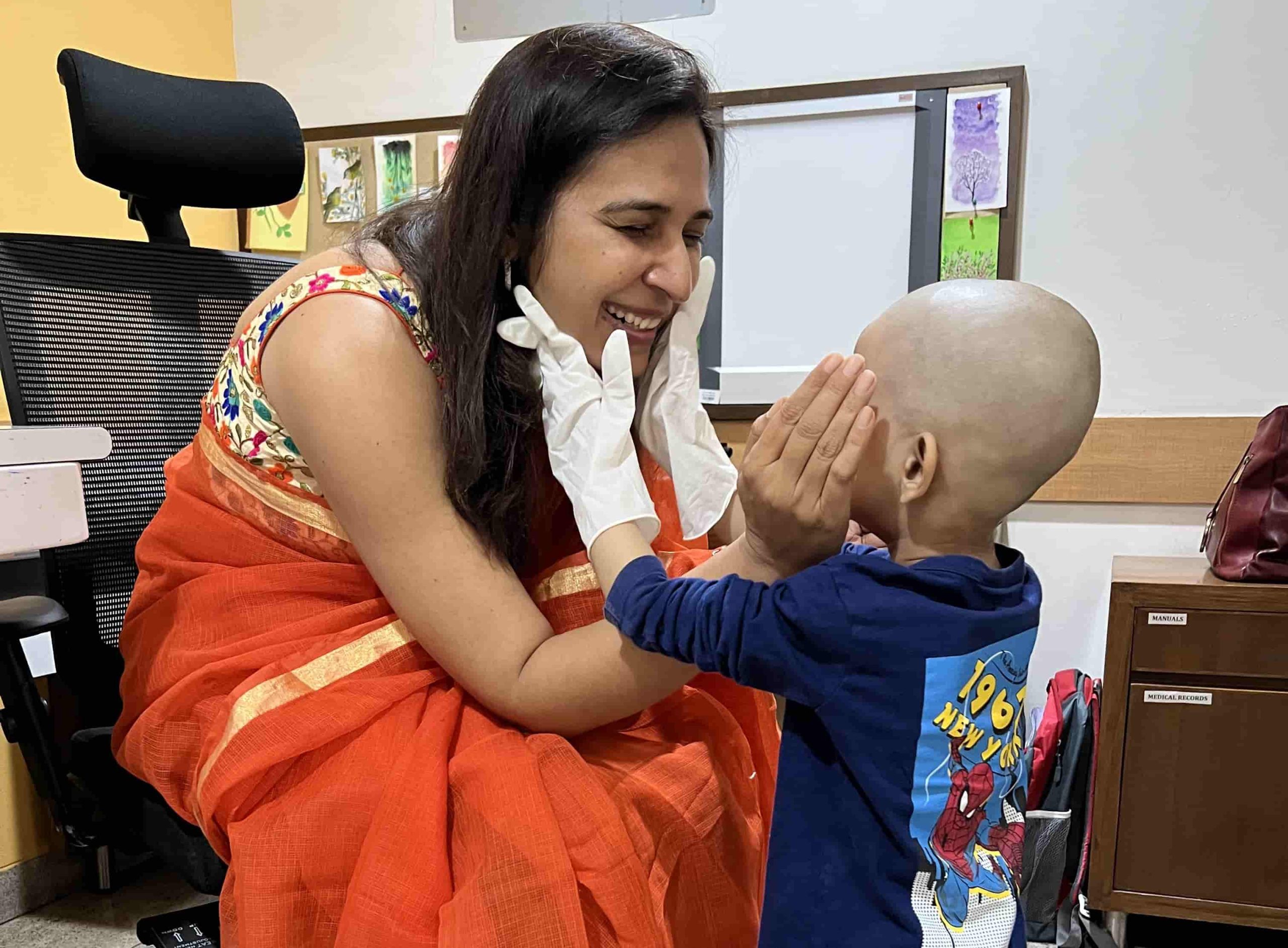
Children with autism spectrum disorder (ASD), Down syndrome, cerebral palsy, developmental delay, ADHD, or learning differences may experience an eye examination differently. So do children battling serious illnesses that impact the eye, whether it is GVHD following bone marrow transplants, or eye complications from chemotherapy.
Some need a little more time, some benefit from familiar routines, and others simply need the freedom to explore the clinic before we begin. Some need protective gloves and masks, others need the reassurance of a familiar face.
There is no “one-size-fits-all” approach.
I adapt each examination to the child’s individual needs, working closely with parents and caregivers to create a calm, reassuring environment. Whenever possible, I explain each step in simple language, allow extra time, and move at a pace that helps the child feel safe, and comfortable.
Many children also have eye conditions that deserve careful assessment, including refractive errors, squint (strabismus), lazy eye (amblyopia), nystagmus and reduced vision. A thorough eye examination can play an important role in supporting their learning, communication and overall development.
My goal is simple: every child should leave having been treated with kindness, patience and the same high standard of evidence-based eye care.
Success isn’t measured by how quickly an examination is completed. It’s measured by whether a child feels respected, understood and accurately assessed.
Signs Your Child Should See an Eye Doctor
- Frequent headaches
- Squinting
- Sitting very close to screens
- Holding books too close
- One eye turning in or out
- Tilting the head
- Excessive blinking
- Poor school performance
- Complaints of double vision
- Family history of childhood eye disease
📍 Gurgaon 📞 +91 88826 38735 | 🌐 Contact Us | Second Opinion Form
When Should Children Have Their Eyes Examined?
Birth (newborn screening)
6–12 months (if advised)
3–5 years (before starting school)
Every 1–2 years during school age, or sooner if recommended
Questions Parents Commonly Ask
How do I choose the best eye doctor for my child?
Choose an ophthalmologist who has experience examining children of different ages and uses child-friendly techniques to assess vision, eye alignment, focusing and overall eye health. The best children’s eye doctor takes time to build trust, explains findings clearly, and provides evidence-based recommendations tailored to your child’s needs.
What qualifications should a children’s eye doctor have?
Your child’s eye doctor should be a qualified ophthalmologist with experience in diagnosing and managing childhood eye conditions. In addition to medical expertise, they should be comfortable examining babies, toddlers and older children using age-appropriate methods in a calm and reassuring environment.
At what age should my child have their first eye examination?
Every newborn has a basic eye examination soon after birth. A comprehensive eye examination is recommended if there are concerns about vision, a family history of eye disease, or developmental issues. Most children should also have their vision assessed before starting school, even if they have no obvious symptoms.
How often should children have their eyes examined?
The frequency depends on your child’s age, vision and risk factors. Children with normal vision may need periodic eye examinations as they grow, while those with glasses, lazy eye (amblyopia), squint (strabismus) or other eye conditions may require more frequent follow-up. Your ophthalmologist will recommend an examination schedule based on your child’s individual needs.
Can my child have an eye problem without complaining?
Yes. Many children assume that everyone sees the world the way they do and may not realise their vision is reduced. Conditions such as long-sightedness, lazy eye, squint or refractive errors can develop without obvious symptoms, which is why routine eye examinations are so important.
What happens during a children’s eye examination?
A comprehensive children’s eye examination may include assessment of visual acuity, focusing ability, eye movements, eye alignment, depth perception, refraction and the health of the front and back of the eye. The examination is tailored to your child’s age, level of cooperation and specific concerns.
Will my child need eye drops?
Not every child requires eye drops. However, dilating eye drops are often used when measuring a child’s glasses prescription because they temporarily relax the focusing muscles and provide the most accurate assessment. Your ophthalmologist will explain why the drops are needed and what to expect.
My child is nervous about seeing an eye doctor. What can I do?
Feeling anxious before an eye examination is completely normal. Reassure your child that the visit is painless and that no injections or surgery are involved. Choosing an eye doctor who is experienced with children and allows time for them to settle often makes the experience much easier and more enjoyable.
Should children with autism or developmental conditions have regular eye examinations?
Yes. Children with autism spectrum disorder, Down syndrome, cerebral palsy, ADHD and other developmental conditions may have a higher risk of certain eye problems or may find it harder to communicate vision concerns. A patient, flexible and individualised approach helps ensure an accurate examination and a positive experience.
Does too much screen time damage children’s eyes?
Current evidence suggests that screen time itself does not permanently damage the eyes, but prolonged near work can cause digital eye strain and is associated with an increased risk of myopia (short-sightedness) in some children. Encouraging regular outdoor activity, frequent breaks using the 20-20-20 rule, and age-appropriate screen habits can support healthy visual development.
Can glasses make my child’s eyesight weaker?
No. Glasses do not weaken the eyes or make children dependent on them. They simply correct blurred vision, allowing children to see clearly and support normal visual development. Wearing the correct prescription does not make eyesight deteriorate faster.
When should I bring my child for an urgent eye examination?
Arrange an urgent eye examination if your child has sudden vision loss, an eye injury, severe eye pain, a white pupil in photographs, a sudden eye turn, persistent redness with light sensitivity, or any sudden change in vision. Prompt assessment is important because some childhood eye conditions require early treatment to protect vision.
A Partnership With Parents
Parents know their children better than anyone else.
My role is to listen carefully, examine thoroughly, explain clearly, and help families make informed decisions about their child’s eye health.
No question is too small.
Whether your concern is myopia, headaches, squint, allergies, excessive screen time, difficulty reading, frequent blinking or simply making sure your child’s eyes are healthy, I want you to leave understanding exactly what we found and why.
My Promise to Every Family
When you bring your child to see me, I hope you leave with three things.
Confidence that your child’s eyes have been examined carefully and thoroughly.
Clarity about your child’s eye health and whether any treatment is needed.
Comfort, because your child has had a positive experience and won’t be afraid to visit the eye doctor again.
Protecting a child’s vision is one of the most rewarding parts of my profession. Helping them leave with a smile is one of the most enjoyable.
Childhood lasts only a few years, but good vision shapes a lifetime of learning, confidence and opportunity. If a child leaves my clinic seeing more clearly, feeling a little braver and smiling a little more than when they arrived, I consider that a very good day.
This article is a part of the Paediatric Ophthalmology Hub. Please also read Children’s Eye Care, Nutrition, Are Children’s Eyes More Vulnerable, Lazy Eye, and Myopia Prevention in Children. Eye Care Tips for Screen Use, and 7 Ways to Take Care of Your Child’s Eye Health also may be of interest. Myopia in Teenagers.
You may want to see some eye care tips for children here, here, and here.
About the Author
This article was written by Dr Shibal Bhartiya, fellowship-trained glaucoma specialist and Mayo Clinic Research Collaborator, Clinical Director at Marengo Asia Hospitals, Gurugram, known for ethical, patient-centred glaucoma care and independent glaucoma second opinions. She is also the Program Director for Community Outreach & Wellness; and for the Marengo Asia International Institute of Neuro and Spine.
She has published peer-reviewed research on glaucoma management, examining how treatment decisions should balance medical evidence, patient preferences, and long-term vision outcomes.
As Editor-in-Chief of Clinical and Experimental Vision and Eye Research and Executive Editor of the Journal of Current Glaucoma Practice (Pubmed Indexed, official journal of the International Society of Glaucoma Surgery), Dr Shibal Bhartiya brings editorial and research depth to every clinical decision. Her 200+ publications, including 90+ PubMed-indexed publications and 28 edited textbooks span glaucoma biology, surgical outcomes, health equity, and emerging diagnostics.
1600+ Five Star Patient Reviews Google Business Profile
If you are unable to come to Dr Bhartiya’s clinic: Read more about teleconsultation
Read her research on PubMed | Google Scholar | ResearchGate | ORCID
📋Upload your reports for a structured review.| 🌐 Contact Us| 📞 +91 88826 38735
⭐ Helped by this article? Leave a Google review — it helps other patients find reliable eye care.