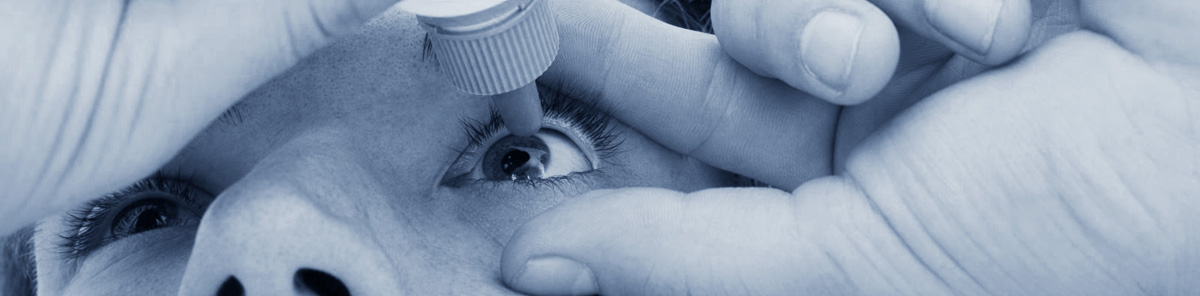
A drug that has been developed by a pharmaceutical company, it is sold under a particular “brand name.” This is branded medication.
Once the patent protection for the drug expires, other drug companies may manufacture and sell the drug. Usually, the drug is given its chemical name and is called generic medication.
Generally, we presume that the generic medication is as effective as the branded product. Also, it is significantly cheaper. Why is then there a debate around its use? This article aims to make the issue a little less ambiguous.
For deeper understanding of this topic, read the detailed version here
What are branded generics?
In India, there is a particular category of branded generics. However, several drug companies manufacture these off-patent drugs and give them brand names different from the original. They are not sold only with the chemical name. These are the branded generics.
For example, Cipla sells Latanoprost as Latoprost RT (branded generic). On the other hand, Xalatan is the original branded eye drop.
What is the advantage of generic medication?
The number one benefit, without doubt, is cost. Generics are less expensive, since the manufacturer has not invested in research and development, or in advertising and packaging. In case you are already taking multiple eye drops for glaucoma, the cost savings by using generics can be substantial.
Since glaucoma medication is usually long term, often life long, costs are a significant consideration. Decreased cost of glaucoma drops increases compliance with taking a medication as prescribed.
However, in case of branded generics, this may not always be true. The price of a branded generic is often not very different from the original branded molecule. This is because the drug companies manufacturing the branded generic have sufficient marketing and packaging related expenses.
Are generics the same as the branded eye drops?
Generic eye drops for glaucoma contain the same active ingredient, and in the same concentration. In addition, laboratory checks verify that they are the same chemically.
What about absorption of the drug?
In case of oral medicines, the drug manufacturer has to prove that the generic drug achieves the same blood levels as the branded medication. However, the manufacturers of the generic eye drops are not required to do so. All they need to prove is that the drug has the same ingredient and concentration of the drug as the branded version (bioequivalence). They don’t have to prove that it has the same on the eye, in terms of IOP lowering and side effects (therapeutic bioequivalence).
Why do generics feel different?
Even though the government regulations for generics are very strict, glaucoma patients who shift to a generic eye drop may notice differences in how the drops feel, and how they work. Here is why.
For example, let us consider Travatan. A bottle of Travatan has 40 µg/ml of the active drug (0.004%). That means 99.996% of the drop that you put in your eye is not regulated as a formulation. Even though the inactive ingredients are very important for maintaining the drop’s consistency and pH, they are not listed on any eye drop bottles.
In fact, even minor differences in the inactive ingredients can affect absorption, consistency and the comfort of the eye drop. This means that you may experience side effects related to the surface of the eye in terms of dryness, allergies and stinging. However, this may not always be true.
Some problems unique to glaucoma eyedrops
This may not be as relevant for an eye drop that you use for a short duration (say an antibiotic for a minor eye infection). It is, however, very relevant, for glaucoma eye drops that you will use for a lifetime.
Other concerns of importance include safety of packaging and drop size. In fact, safety of packaging and bottle manufacturing for glaucoma eye drops is very important to maintain sterility and efficacy of the medication.
In case the bottle dropper is such that the drop size is larger, the drug will prove to be more expensive per month. Also, some bottles are harder to squeeze than others. This especially becomes a problem for glaucoma patients who are usually elderly, and may have poor vision, in addition to arthritis.
The unique Indian perspective
In India, the pharmacists (called chemists) can easily exchange the branded drug with whatever branded generic they want. Patients usually agree because of the savings in cost. Different pharmacies will frequently and arbitrarily switch from one to the other branded generic.
Remember, therefore that it is similar to starting with another drug every time. You must therefore tell your doctor that you’ve shifted brands. Or better still, you should carry your eye drops with you, every time you visit your doctor.
So what is the verdict?
As always, there is no one right answer that works for all.
If you are unable to afford the cost of the glaucoma eye drops in the long term, generics are an incredible boon. But, you will need to help your doctor in evaluating its safety, tolerability and efficiency in your eye.
When shifting from a branded product to a generic eye drop, you doctor may ask you for additional eye pressure checks and do an analysis of your ocular surface to rule out side effects.
Sometimes, when your doctor doubts the efficacy of the generic medication, your doctor may ask you to use a branded eye drop instead. Also, if you are having side effects with the generic medication, your doctor may sometimes ask you to switch to the branded eye drops.
Clinical experience with branded generics in India
Despite this, it will be erroneous to dismiss generics as unacceptable, and you must discuss with your doctor if you may use a generic product under supervision, provided your comfort is not compromised, and your doctor is assured of the product’s efficacy.
You may want to read of our clinical trial that evaluated the various Travoprost formulations sold in India, branded as well as the branded generics, in order to understand this better.https://www.ncbi.nlm.nih.gov/pmc/articles/PMC4981658/
Book a Consultation
Choosing between a branded and generic glaucoma medication is about more than the name on the bottle. While many generic eye drops provide good pressure control, differences in formulation, preservatives, bottle design, and drop delivery can affect comfort, adherence, and, for some patients, long-term treatment success.
My approach is to recommend the medication most likely to control your glaucoma safely, comfortably, and consistently. Every recommendation is based on a comprehensive evaluation of your eye pressure, optic nerve, visual field, corneal thickness, overall eye health, and your individual treatment goals, not on whether a medication is branded or generic.
If you are considering switching glaucoma medications, experiencing side effects, finding your drops difficult to use, or would like a second opinion about your treatment plan, book a consultation. Together, we can review your current medications, assess whether they are effectively protecting your vision, and develop an evidence-based, personalised treatment plan designed to preserve your sight for the long term.
📍 Gurgaon 📞 +91 88826 38735 | 🌐 Contact Us | Second Opinion Form for teleconsults
About the Author
This article was written by Dr Shibal Bhartiya, fellowship-trained glaucoma specialist and Mayo Clinic Research Collaborator, Clinical Director at Marengo Asia Hospitals, Gurugram, known for ethical, patient-centred glaucoma care and independent glaucoma second opinions. She is also the Program Director for Community Outreach & Wellness; and for the Marengo Asia International Institute of Neuro and Spine.
She has published peer-reviewed research on glaucoma management, examining how treatment decisions should balance medical evidence, patient preferences, and long-term vision outcomes.
As Editor-in-Chief of Clinical and Experimental Vision and Eye Research and Executive Editor of the Journal of Current Glaucoma Practice (Pubmed Indexed, official journal of the International Society of Glaucoma Surgery), Dr Shibal Bhartiya brings editorial and research depth to every clinical decision. Her 200+ publications, including 90+ PubMed-indexed publications and 28 edited textbooks span glaucoma biology, surgical outcomes, health equity, and emerging diagnostics.
1600+ Five Star Patient Reviews Google Business Profile
If you are unable to come to Dr Bhartiya’s clinic: Read more about teleconsultation
Read her research on PubMed | Google Scholar | ResearchGate | ORCID
📋Upload your reports for a structured review.| 🌐 Contact Us| 📞 +91 88826 38735
⭐ Helped by this article? Leave a Google review — it helps other patients find reliable eye care.