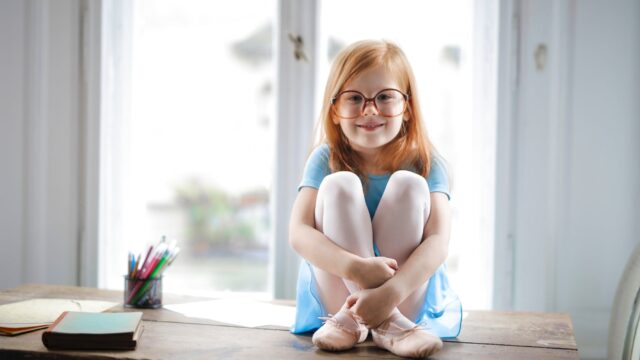
Myopia (short-sightedness) in children is increasing rapidly, often driven by prolonged near work and reduced outdoor time. Early detection and simple lifestyle changes can slow progression and reduce long-term risk of glaucoma and retinal disease, explains Dr Bhartiya.
Dr Shibal Bhartiya is a fellowship-trained glaucoma specialistand Mayo Clinic Research Collaborator with over 25 years of experience. Her approach focuses on identifying risk before damageis irreversible, simplifying treatment decisions, and protecting vision long-term. Emphasis on early detection, risk assessment, and continuity of care. She is rated 5 stars across 1,500+ patient reviews on Google.
What is Myopia in Children?
Myopia is a condition where distant objects appear blurred while near vision remains clear. In children, it typically develops during school years and may progress silently until vision problems begin to affect learning, confidence, and daily function.
Why Early Detection Matters
Myopia is not just a glasses issue. Higher degrees of myopia are associated with increased risk of retinal detachment, glaucoma, and myopic maculopathy later in life. The goal is not just correction, but slowing progression early.
Early Signs Parents Should Watch For
- Sitting too close to screens or the TV
- Squinting or frequent eye rubbing
- Complaints of blurred distance vision
- Reduced attention span for board work
- Headaches or eye strain
📍 Gurgaon 📞 +91 88826 38735 | 🌐 Contact Us | Second Opinion Form for teleconsults
Why Myopia is Increasing
- Increased screen time and near work
- Reduced outdoor exposure
- Urban lifestyles and academic pressure
- Earlier onset leading to longer progression years
How to reduce your child’s risk of myopia?
- Spend time outdoors, at least two hours per day in daylight.
- Regular eye exams, starting at 6 months, to ensure their eye glasses prescription is up to date.
- Decrease screen time. Frequent breaks of 20 seconds or more during all near work
- Use prescribed glasses. Consider myopia control strategies like special lenses, eyedrops and glasses.
What is the ideal eye examination schedule for children?
- At 6 months
- Between ages 3 and 5 (before pre-school)
- When starting first grade (Formal school)
- Annual exams thereafter
If your child needs glasses, they may require eye exams more frequently, especially during puberty. Remember, one in four children has myopia. And to make sure that your child has 20 20 vision, you must ensure they have their annual eye exam with your eye doctor.
Can Myopia Progress Be Slowed?
Spending time outdoors is one of the most consistent and evidence-backed ways to slow the onset and progression of myopia in children. Natural light exposure appears to regulate eye growth through dopamine pathways in the retina, helping reduce excessive elongation of the eyeball—the structural change responsible for myopia progression. Even 60–90 minutes of outdoor time daily has been shown to have a protective effect, especially in early school years.
Beyond just “more time outside,” the pattern matters. Regular, non-structured outdoor exposure: play, walking, sports, works better than occasional bursts. This is where early, simple routines become powerful: encouraging outdoor play after school, limiting continuous near work, and building visual breaks into the child’s day. Myopia control is not a single intervention. It is a long-arc, environment-shaped strategy, where small, consistent changes protect long-term vision.
The relationship between ethnicity and myopia risk is examined in depth in Dr Bhartiya’s editorial, The Ethnicity Blind Spot: Why Race-Neutral Myopia Guidelines Are Failing South and East Asian Children, published in Clinical and Experimental Vision and Eye Research in 2026. South and East Asian children develop myopia earlier, progress faster, and reach higher degrees of myopia than Western cohorts — yet most clinical guidelines have not caught up with this evidence.
How Is Myopia Diagnosed and Monitored?
Myopia is diagnosed through cycloplegic refraction, where eye drops relax the child’s focusing muscle to reveal their true prescription. This is more accurate than a standard eye chart test alone.
For children with progressive myopia, I also track axial length, the front-to-back growth of the eye. This shows how the eye is developing over time, not just how the current glasses number looks. Combined with keratometry, a measure of corneal curvature, this gives a fuller picture of what is driving a child’s myopia and whether treatment is working.
Read more about how we evaluate a child’s myopia in detail. Please also read Paediatric Myopia Control Clinic in Gurgaon.
Management Options
- Regular eye examinations
- Appropriate glasses prescription
- Myopia control strategies (when needed):
- Low-dose atropine
- Specialised lenses (optical strategies)
- Lifestyle modification (outdoor time, screen balance)
Read Can Wearing Someone Else’s Glasses Damage Your Eyes?
When Should a Child Have an Eye Check?
- At school entry
- If there is family history of myopia
- Any signs of visual difficulty
- Annually once myopia is diagnosed
FAQs
1. What age does myopia start in children?
Myopia commonly begins between ages 6–12 and may progress through teenage years.
2. Can myopia in children be reversed?
No, but progression can be slowed with early intervention and lifestyle changes.
3. Does screen time cause myopia?
Excessive near work and screen use are strongly associated with increased risk and faster progression.
4. How much outdoor time is needed?
At least 60–90 minutes daily is recommended for protective benefit.
5. Is myopia dangerous?
Higher myopia increases long-term risk of retinal disease, glaucoma, and vision complications.
6. Do all children with myopia need treatment beyond glasses?
Not always. Treatment depends on rate of progression and risk profile.
7. Can genetics play a role?
Yes, children with myopic parents have a higher risk.
8. How often should myopic children be checked?
Every 6–12 months, depending on progression.
Book a Consultation for Childhood Myopia
Is your child’s myopia increasing, or are they struggling to see clearly at school or outdoors?
A comprehensive eye examination can assess your child’s vision, prescription, eye health, and risk of myopia progression—and help determine whether myopia control may be appropriate.
Book a consultation with Dr Shibal Bhartiya for personalised, evidence-based care for childhood myopia.
📍 Gurgaon 📞 +91 88826 38735 | 🌐 Contact Us | Second Opinion Form for teleconsults
Advanced Eye Care | Second Opinion | Evidence-Based, Personalised Care
At our Paediatric Myopia Control Clinic in Gurgaon, we use the S.L.O.W.™ Framework — Structural Baseline Mapping, Lifetime Risk & Ethnicity Profiling, Optical Intervention Design, and Wet & World Shield — to go beyond stronger glasses. Based on cycloplegic refraction and axial length tracking, it combines myopia control lenses and low-dose atropine with outdoor time to slow eye growth. Learn more about the S.L.O.W. framework and axial length tracking
This article is a part of the Myopia in Children hub. Please read Myopia in Children, Low Dose Atropine for Myopia, Do Myopia Control Lenses Work, Axial Length and My Child’s Glasses Number, and Myopia Prevention in Children. Also read Paediatric Myopia Control Clinic in Gurgaon, and Myopia in Teenagers.
This article is a part of the Paediatric Ophthalmology Hub. Please also read How to Choose an Eye Doctor for Your Child, How to Prepare Your Child for an Eye Exam, How to Choose Glasses for Children., Nutrition, Are Children’s Eyes More Vulnerable, Lazy Eye, How Much Screen Time is Safe in Children, and Myopia Prevention in Children. Eye Care Tips for Screen Use, and 7 Ways to Take Care of Your Child’s Eye Health also may be of interest. Myopia in Teenagers.
You may want to see some eye care tips for children here, here, and here.
About the Author
This article was written by Dr Shibal Bhartiya, fellowship-trained glaucoma specialist and Mayo Clinic Research Collaborator, Clinical Director at Marengo Asia Hospitals, Gurugram, known for ethical, patient-centred glaucoma care and independent glaucoma second opinions. She is also the Program Director for Community Outreach & Wellness; and for the Marengo Asia International Institute of Neuro and Spine.
She has published peer-reviewed research on glaucoma management, examining how treatment decisions should balance medical evidence, patient preferences, and long-term vision outcomes.
As Editor-in-Chief of Clinical and Experimental Vision and Eye Research and Executive Editor of the Journal of Current Glaucoma Practice (Pubmed Indexed, official journal of the International Society of Glaucoma Surgery), Dr Shibal Bhartiya brings editorial and research depth to every clinical decision. Her 200+ publications, including 90+ PubMed-indexed publications and 28 edited textbooks span glaucoma biology, surgical outcomes, health equity, and emerging diagnostics.
1600+ Five Star Patient Reviews Google Business Profile
If you are unable to come to Dr Bhartiya’s clinic: Read more about teleconsultation
Read her research on PubMed | Google Scholar | ResearchGate | ORCID | Github
📋Upload your reports for a structured review.| 🌐 Contact Us| 📞 +91 88826 38735
⭐ Helped by this article? Leave a Google review — it helps other patients find reliable eye care.